The cheap thrills movie is a nasty, funny, hard-to-shake thriller about two desperate men who accept cash for dares from a wealthy couple, then realize too late that the game is built to destroy them. It is worth watching if you like bleak social satire and moral-pressure stories, but it is not a casual comfort movie or a clean revenge thriller.
What is the Cheap Thrills movie about?
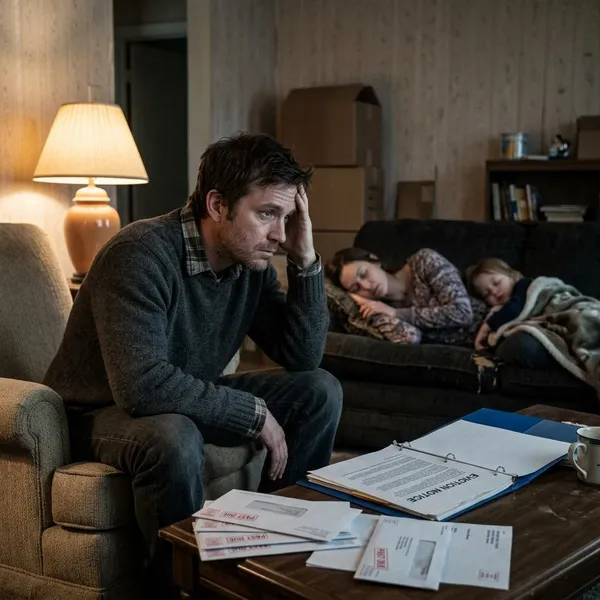
Cheap Thrills, directed by E.L. Katz and released in 2013, follows Craig Daniels, a broke family man who loses his job and faces eviction on the same day. At a bar, he reconnects with Vince, an old friend, and the two are drawn into a cruel game by Colin and Violet, a rich couple who offer money for increasingly ugly dares.
The cast is a big reason the small setup works: Pat Healy plays Craig with anxious restraint, Ethan Embry gives Vince a bruised, reckless energy, David Koechner makes Colin cheerful and monstrous, and Sara Paxton keeps Violet unsettlingly calm. Most of the movie is built from their shifting power dynamic rather than big locations or elaborate plot twists.
- Good pick: you like Would You Rather, 13 Sins, or films where ordinary people are pushed into awful choices.
- Bad pick: you want sympathetic characters making smart decisions under pressure.
- Watch carefully with others: the humor is mean, and the humiliation can be more uncomfortable than the violence.
A desperate need for money
Craig is not chasing excitement. He needs money for basic survival: rent, food, and the ability to go home without admitting that his family's situation has fallen apart. That makes the first cash offers feel less like temptation and more like a possible escape hatch.
This is where the movie gets under your skin. Craig's early choices are wrong, but they are not random. The film keeps asking a practical question: when a person is cornered financially, how much dignity starts to feel negotiable?
A wealthy couple offering cash
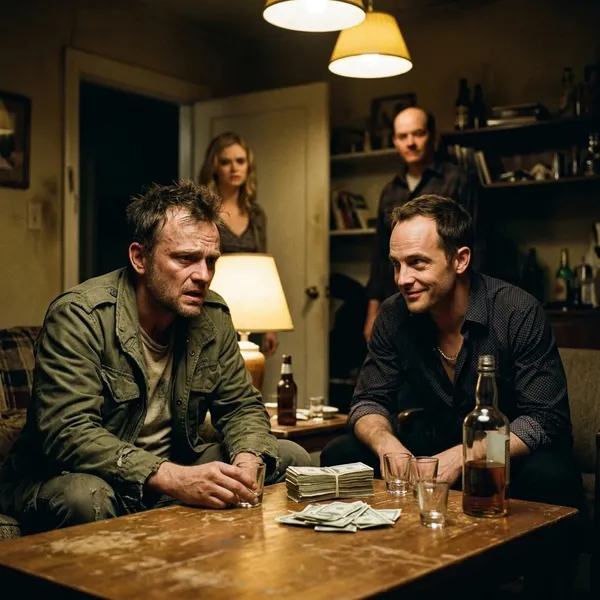
Colin and Violet do not look like horror villains. They are charming, relaxed, and rich enough for the money to feel like a joke. That contrast is the trap: what is pocket change to them could change Craig's whole week, maybe his family's immediate future.
The first dares are embarrassing rather than catastrophic, which is important. If the game began with the worst request, Craig and Vince would likely walk away. Instead, the couple buy small pieces of control until refusal starts to feel harder than participation.
Dares that become dangerous
The dares escalate from crude barroom humiliation to violence and betrayal. The film's smartest move is making each step feel connected to the last one, so the characters do not suddenly become different people; they slide.
Cheap Thrills ending explained
The ending is bleak on purpose, and this section includes spoilers. By the final act, Cheap Thrills has stopped pretending the night is a party game. Colin and Violet have turned Craig and Vince against each other, and the money has become a weapon rather than a prize.
The key to the ending is not just who gets paid. It is what the payment proves: Craig can still win the game materially while losing the part of himself that made the money worth wanting in the first place.
Craig and Vince face the last challenge
By the climax, Craig and Vince are no longer acting like old friends in a shared nightmare. They are competitors. Their pride, resentment, fear, and need for money have been sharpened until each man becomes useful to the couple only as a tool against the other.
That is why the last challenge feels so cruel. Colin and Violet do not simply want an outcome; they want to watch the process of collapse. The real entertainment for them is seeing how far two desperate people can be pushed once solidarity has been replaced by rivalry.
Craig makes his final choice
Craig chooses the money, and the movie refuses to make that choice feel heroic. His desperation explains why he is vulnerable, but it does not erase what he does.
That tension is what makes the ending stronger than a simple twist. Craig has spent the night telling himself that every compromise is temporary and necessary. The final choice exposes the cost of that logic: at some point, surviving the game means becoming part of its cruelty.
The closing scene reveals the cost
Craig returns home with the reward, but the film gives the moment no real triumph. The money may solve the immediate emergency, yet the way he obtained it has left a damage that cannot be neatly repaired.
- Need opens the door. Craig's financial panic makes the first offers hard to refuse.
- Small dares weaken bigger refusals. Each payment makes the next line easier to cross.
- Competition breaks loyalty. Craig and Vince stop seeing the couple as the real threat.
- The final payout feels poisoned. Craig wins money, not peace.
The final image lands because it denies the usual thriller release. There is no clean justice, no emotional reset, and no comforting proof that Craig can separate the money from what he did to get it.
What Cheap Thrills is really about
On the surface, Cheap Thrills is a movie about dares for cash. Underneath, it is about class power, humiliation, masculine pride, and the way people rationalize moral failure when the pressure is high enough.
That is why the film works better as a dark comedy thriller than as a straightforward horror movie. The violence matters, but the uglier point is social: people with money can turn other people's pain into entertainment while pretending everyone is simply making a choice.
Desperation and money
Money drives the plot, but the movie is not really about greed. Craig wants stability, not luxury. That difference makes his choices more uncomfortable, because the viewer can understand the pressure without excusing the damage.
Power and humiliation
Colin and Violet use money to control the room, but humiliation is the real product they are buying. They want to see Craig and Vince negotiate against their own self-respect in public, then laugh as if the whole thing is sophisticated fun.
The couple's calmness makes them more unsettling than louder villains. They are not losing control; they are enjoying control. That polished cruelty is the movie's sharpest class critique.
Loyalty and betrayal
Craig and Vince might have had a better chance if they treated the situation as something to resist together. Instead, the game turns their friendship into a contest, and every reward makes one man's weakness useful to the other.
The betrayal does not come out of nowhere. Old resentment, shame, and pride are already there. Colin and Violet simply create the perfect conditions for those feelings to become profitable.
Moral compromise
The movie's central question is not "Do people have a price?" That would be too simple. The sharper question is how people keep lowering the price while telling themselves they are still basically the same person.
- Craig: decency under pressure, slowly converted into self-justification.
- Vince: pride and recklessness, easily manipulated through competition.
- Colin and Violet: wealth without consequence, disguised as playful curiosity.
This is also why the film can be more upsetting on a rewatch. Once you know where Craig ends up, the early jokes and small dares feel less like a strange night out and more like the start of a carefully staged moral collapse.
Where to watch Cheap Thrills
Availability changes by country and by licensing window, so the safest way to find Cheap Thrills is to check current listings rather than rely on an old streaming mention. Smaller indie thrillers often rotate through subscription catalogs, then remain easier to find as rentals or purchases.
If you only want to try the movie once, start with services you already pay for, then move to rental. If you collect cult thrillers or expect to rewatch it, compare the purchase price before renting because sale prices can sometimes be close.
Subscription streaming services
Check your existing streaming apps first. That is the lowest-risk option because you may already have access through a horror-focused service, an indie film library, or a free ad-supported platform.
Digital rental stores
Rental is usually the most practical choice for a first-time watch. Stores such as Amazon Prime Video, Apple TV, Google TV, or YouTube Movies often carry smaller thrillers even when subscription services do not.
This route makes the most sense if you are curious but unsure about the tone. Cheap Thrills is memorable, but it is intense enough that many viewers will not want to own it after one viewing.
Digital purchase options
Buying is worth considering if you already like bleak, low-budget thrillers and often revisit films for performances, endings, or themes. The movie has enough character detail to reward a second watch, especially once the early scenes can be read with the ending in mind.
- Try subscription first if you are only mildly curious.
- Rent it if you want the most reliable one-night option.
- Buy it if the price is close to rental or you collect dark comedy thrillers.

Conclusion
Cheap Thrills is worth watching if you want a lean, mean thriller that uses discomfort for more than shock value. Skip it if humiliation, bleak humor, or morally trapped characters ruin the experience for you; choose it if you want a film that turns a simple cash-for-dares premise into a sharp little nightmare about money, power, and what people tell themselves when they cross the line.