Fresh is worth watching if you want a fresh thriller movie that starts like an awkward modern dating story and turns into something much colder. It is tense, darkly funny, and carried by Daisy Edgar-Jones and Sebastian Stan, but it is not a light watch if captivity, predatory behavior, or body-horror ideas bother you.
Fresh 2022 at a glance
Fresh is a 2022 horror thriller with a sharp satirical edge. Its hook is simple but effective: a woman burned out by dating apps meets a charming man in real life, then discovers that his confidence and polish hide something horrifying.
A horror thriller with dark comedy
The comedy in Fresh is deliberately uneasy. It comes from the gap between ordinary dating behavior and the extreme nightmare that follows, so a scene can feel funny for a second and disturbing almost immediately after.
If you like thrillers that make you laugh nervously rather than relax, that tonal mix is a strength. If you prefer horror to stay serious and direct, the shifts may feel more abrasive.
Directed by Mimi Cave
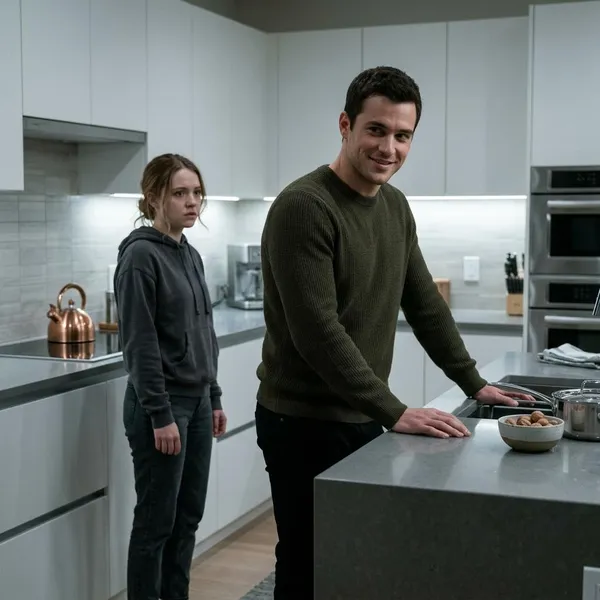
Mimi Cave gives the film a clean, stylish surface that makes the ugliness underneath feel sharper. Kitchens, houses, and romantic spaces look controlled and attractive, which is exactly why they become unsettling once the story changes direction.
Written by Lauryn Kahn
Lauryn Kahn's script uses familiar dating frustrations as the entry point: bad matches, guarded optimism, and the relief of meeting someone who seems refreshingly normal. The premise becomes extreme, but the emotional setup stays recognizable enough to keep the thriller grounded.
Led by Daisy Edgar Jones and Sebastian Stan
Daisy Edgar-Jones makes Noa feel tired, funny, cautious, and believable before the horror begins. Sebastian Stan plays Steve with the kind of charm that explains why Noa lowers her guard, then slowly lets the character's vanity and control become more visible.
The film depends on that chemistry. If the opening romance did not work, the later betrayal would feel like a gimmick instead of a trap closing in.
Built around dating fears and survival
The most useful way to read Fresh is as a nightmare version of a real dating fear: not knowing who someone truly is until you are already vulnerable. Once Noa is trapped, survival is less about strength and more about patience, reading Steve correctly, and choosing the right moment to act.
What happens in Fresh
The plot is best approached with some caution because the film is built around a major tonal turn. The broad setup is safe to know: Noa meets Steve, their relationship accelerates, and a romantic weekend exposes the danger behind his polished personality.
Noa meets Steve at a grocery store
Noa meets Steve after a run of disappointing dating experiences. The grocery-store setting matters because it feels ordinary and unforced, almost like the kind of meet-cute people hope still exists outside dating apps.
That normality is part of the trap. Steve does not arrive looking dangerous; he arrives looking like a relief from everything Noa has grown tired of.
Their romance moves unusually fast
The speed of the romance is the first quiet warning sign. For Noa, it feels exciting because Steve seems attentive and different. For the viewer, it creates the uneasy sense that charm may be doing too much work too quickly.
- Good sign on the surface: Steve appears confident, funny, and interested.
- Risk underneath: fast intimacy leaves less time to question details.
- Thriller effect: the audience starts watching for small breaks in the performance.
A weekend trip reveals Steve's secret
The weekend trip is where Fresh fully changes shape. What looks like a romantic escape becomes the point where Noa realizes Steve has been hiding a horrifying life from her.
The reveal works because the film spends enough time making the early connection feel appealing. The shock is not only what Steve does; it is how completely the romantic setup has been used against Noa.
Noa becomes trapped in his hidden business
Steve's secret is not presented as a random act of violence. It is organized, transactional, and chillingly routine, which makes him more disturbing than a villain acting on sudden impulse.
Survival depends on gaining his trust
Noa cannot simply fight her way out the moment she understands the danger. Her best chance is to study Steve, manage his ego, and create enough trust to find a real opening.
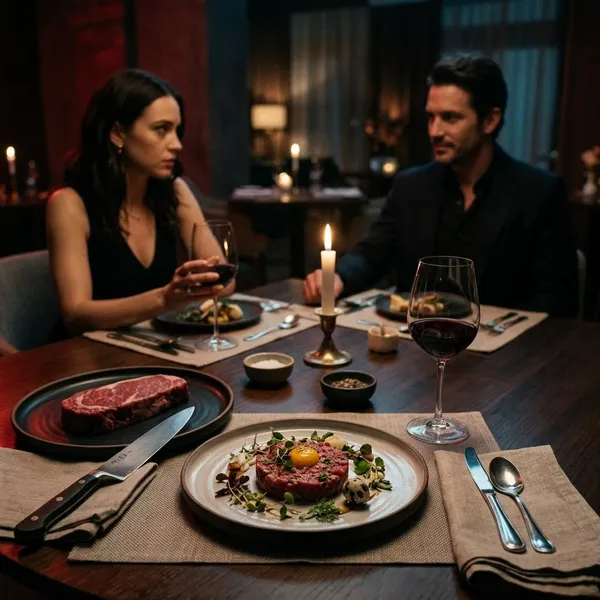
This is where the film becomes especially tense for viewers who enjoy psychological survival stories. A casual dinner, a small compliment, or a controlled reaction can matter as much as a physical escape attempt.
Fresh cast and characters
The cast keeps Fresh from becoming only a provocative premise. The performances make the early dating scenes believable, the captivity scenes tense, and the supporting characters memorable enough to widen the story beyond Noa and Steve.
Daisy Edgar Jones as Noa
Daisy Edgar-Jones gives Noa the right mix of vulnerability and sharpness. She does not play her as foolish for trusting Steve; she plays her as someone who wants a real connection and misses the danger because it is wrapped in exactly the right kind of charm.
Her survival mode also feels earned. Noa becomes more strategic because she has to, not because the film suddenly turns her into an action hero.
Sebastian Stan as Steve
Sebastian Stan is one of the main reasons the film works. Steve is frightening because he remains smooth, polite, and self-satisfied even after the truth is clear.
Jojo T Gibbs as Mollie
Jojo T Gibbs brings warmth and urgency as Mollie, Noa's best friend. She gives the story an outside emotional anchor, reminding viewers that Noa is not just a victim inside Steve's world but a person missed by someone who knows her well.
Andrea Bang as Penny
Andrea Bang's Penny shows that Noa's situation is not isolated. Her presence adds fear, anger, and a fragile sense of connection inside the confined part of the story.
Penny also changes how the viewer reads Noa's choices. Survival is no longer only about getting out alone; it becomes harder, messier, and more morally charged.
Dayo Okeniyi as Paul
Dayo Okeniyi's Paul has a smaller role, but he helps show how easily people outside the central danger can misunderstand what is happening. In a film about performance and deception, that kind of social misreading matters.
Charlotte Le Bon as Ann
Charlotte Le Bon's Ann adds another layer of discomfort because she suggests that Steve's world is not maintained by him alone. Her controlled presence makes the film's moral atmosphere colder and more complicated.
Why Fresh works as a thriller
Fresh works because it puts its pressure in the right places. The violence matters, but the real suspense comes from trust, control, timing, and the awful realization that Noa has to perform calmness around the person threatening her.
The romantic opening hides the danger
The opening does not feel like filler. It gives the later horror something to corrupt. Bad dates, awkward expectations, and the relief of meeting someone charming all make Steve's reveal feel more personal than if the film had started in obvious darkness.
Noa and Steve create strong tension
Noa and Steve's scenes work because both characters are constantly reading each other. Steve wants admiration and control; Noa needs to survive without showing too much fear or resistance too early.
That creates a specific kind of suspense. The viewer is not only waiting for violence, but watching tone, expression, and timing for signs that the balance has shifted.
The confined setting keeps the pressure high
Once the story moves into confined spaces, the film becomes more focused. Doors, routines, meals, and small movements start to matter because Noa's options are limited.
Dark humor sharpens the social satire
The dark humor makes the satire nastier rather than lighter. Steve's manners, taste, and confidence clash with what he does, and that contrast exposes the film's bigger target: polished cruelty hiding behind charm.
- Dating culture: the film exaggerates real fears about trust and performance.
- Steve's persona: his charm becomes part of the threat, not a separate trait.
- Social discomfort: the uneasy laughs make the horror feel more modern and pointed.
Implied violence makes the horror more unsettling
Fresh does include disturbing material, but it often lets implication do the damage. The film shows enough to make the premise clear, then leaves space for the viewer's imagination to make it worse.
That restraint will not make it easy for sensitive viewers. If body horror ideas bother you even when they are not shown constantly, this may still be too much.
Is Fresh worth watching
Yes, Fresh is worth watching if you want a stylish, character-driven thriller with a nasty premise and a strong satirical bite. The main thing to check first is your tolerance for captivity, predatory behavior, and body-horror concepts.
Best for dark thriller fans
Dark thriller fans are the clearest audience for Fresh. It favors manipulation, atmosphere, and psychological pressure over chase scenes or constant shocks.
If you liked films where the danger comes from a person's control rather than a supernatural threat, this will probably land well. If you mainly want fast pacing and frequent action, it may feel more uncomfortable than exciting.
Best for viewers who enjoy social satire
The film is also a strong fit for viewers who like horror with a pointed idea behind it. Its dating satire is not subtle, but it is tied closely to the plot, so it rarely feels like commentary pasted onto a separate thriller.
Best for horror with strong character tension
Fresh is best for horror viewers who care about performance and power dynamics. The tension comes from how Noa and Steve adjust to each other, not from a complicated mythology or a large cast of victims.
It is less suitable for anyone who wants horror to be fun in a safe, roller-coaster way. The movie is stylish and sometimes funny, but its core idea is deliberately unpleasant.
Conclusion
Fresh earns its recommendation because it knows exactly what kind of discomfort it wants to create: charming on the surface, rotten underneath, and tense once Noa realizes what she has stepped into. Watch it if you enjoy dark satire and psychological survival; skip it if body-horror ideas or captivity plots are the kind of stress you would rather not bring into movie night.