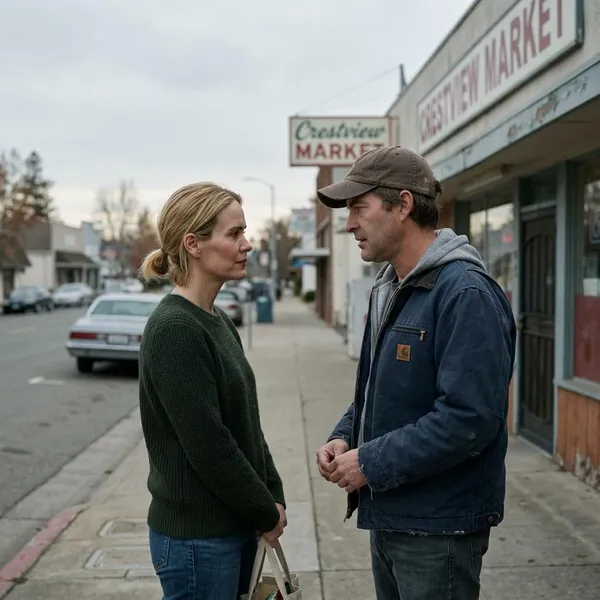
Thriller movies can be scary, but they usually scare you through tension rather than pure horror. If you dislike suspense, stalking, mind games, or realistic danger, some thrillers may feel too intense; if you mainly avoid monsters and gore, many thrillers can still be manageable.
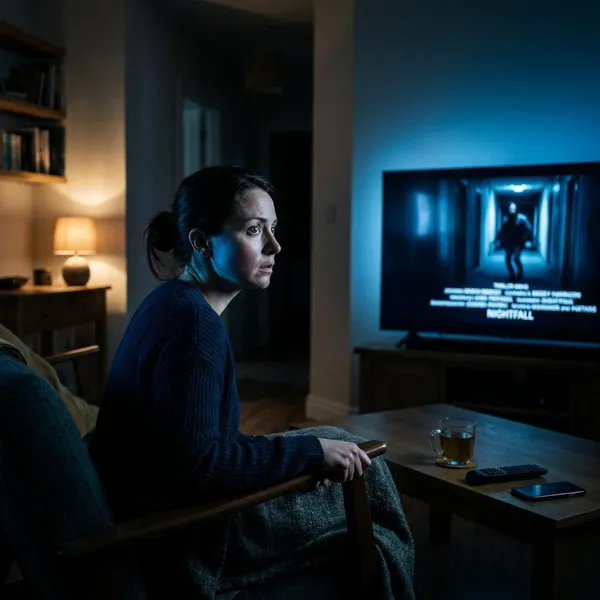
Why thrillers feel scary
Thrillers work by keeping you alert. Instead of showing one frightening image and moving on, they stretch out doubt: who is lying, where the danger is, whether the main character is safe, and what will happen if they make the wrong choice.
Suspense creates constant anxiety
Suspense is the main engine of a thriller. You may know danger is nearby, but not when it will appear or how bad it will get. That waiting can be more stressful than a quick scare because your brain keeps preparing for something to go wrong.
Realistic danger feels personal
Many thrillers feel scary because the danger is believable: stalking, kidnapping, betrayal, blackmail, home invasion, false accusations, or someone abusing power. Even if the plot is dramatic, the fear is rooted in real human behavior.
This is where thrillers can bother some viewers more than horror. A supernatural monster may be easier to dismiss after the credits, while a realistic threat can linger because it feels closer to ordinary life.
Unpredictable characters increase unease
An unstable partner, a charming liar, a corrupt detective, or a friend who may not be trustworthy can make even quiet scenes feel unsafe. The viewer is not only watching for physical danger but also trying to read motives.
- Trust keeps shifting: someone helpful may become threatening.
- Calm scenes feel risky: a normal conversation can turn hostile.
- The audience has to guess: hidden motives create pressure without needing gore.
Confined settings intensify tension
A thriller set in a basement, train, motel room, isolated cabin, elevator, or locked house can feel scarier because escape options are limited. When there is nowhere easy to go, every small detail matters: a dead phone, a locked door, a dark hallway, or footsteps nearby.
This type of setup is worth considering if you are claustrophobic or easily stressed by trapped characters. A confined thriller watched alone at night may feel much stronger than the same movie on a relaxed afternoon with other people around.
Violence and dark themes raise the fear level
Not every thriller is graphic, but the fear level rises when the story includes abuse, torture, obsession, revenge, child danger, sexual threat, or mental breakdown. These themes can be disturbing even when the camera does not show much.
Thriller scare levels by type
The subgenre is usually the quickest way to guess how scary a thriller will feel. Some thrillers are closer to action or mystery, while others sit right next to horror.
| Thriller type | Usual fear level | Best fit if you want |
|---|---|---|
| Action thriller | Low to medium | Adrenaline without heavy dread |
| Crime thriller | Medium | Realistic tension and investigation |
| Mystery thriller | Medium | Suspicion, clues, and uncertainty |
| Psychological thriller | Medium to high | Mind games and emotional unease |
| Survival thriller | Medium to high | Physical danger and escape pressure |
| Horror thriller | High | The strongest scares and darker imagery |
How to judge the intensity
The best way to avoid a thriller that is too scary is to check the right details before pressing play. Do not rely only on the poster, trailer, or the word "thriller," because that label can cover everything from a light spy chase to a deeply disturbing psychological film.
Check the thriller subgenre
Start with the subgenre because it gives the fastest clue. Action and spy thrillers usually lean toward excitement. Psychological, survival, and horror thrillers are more likely to feel oppressive, frightening, or emotionally heavy.
For a low-risk watch with someone who gets scared easily, choose action, mystery, legal, or political thrillers before psychological or horror thrillers. For a stronger experience, go the other way.
Review the age rating
Age ratings are useful as a rough warning, especially when comparing a PG-13-style thriller with an R-rated one. A higher rating often suggests stronger violence, language, sexual content, disturbing images, or darker themes.
The rating alone is not enough, though. Two thrillers can have the same rating but feel completely different: one may be rated higher for action violence, while another may involve stalking, sexual threat, or emotional cruelty.
Look for content warnings
Content warnings are the most practical tool if certain subjects are hard for you to watch. Look for mentions of stalking, abuse, self-harm, sexual violence, confinement, kidnapping, gore, child danger, or panic-heavy scenes.
You do not need full spoilers. A short parent guide, content note, or viewer warning can tell you whether the film crosses a personal line while still leaving the plot intact.
Check for gore and jump scares
Some people can handle dread but hate sudden shocks. Others are fine with jump scares but dislike graphic injuries. Checking for gore and jump scares helps you predict the movie's style of fear, not just its overall intensity.
- If you hate sudden shocks: search for jump scare notes before watching.
- If you dislike blood: check whether the violence is shown or only implied.
- If you want suspense without horror: avoid reviews that mention "brutal," "graphic," or "nightmare fuel."
Consider realistic and psychological themes
Realistic and psychological themes often matter more than the official genre label. A thriller about gaslighting, domestic abuse, stalking, betrayal, or false imprisonment may feel scarier than a louder movie with more obvious action.
Think about your own pattern. If fictional monsters do not bother you but realistic cruelty does, avoid thrillers built around manipulation or predatory behavior. If you mainly dislike gore, a tense mystery with little visible violence may be a better fit.
Conclusion
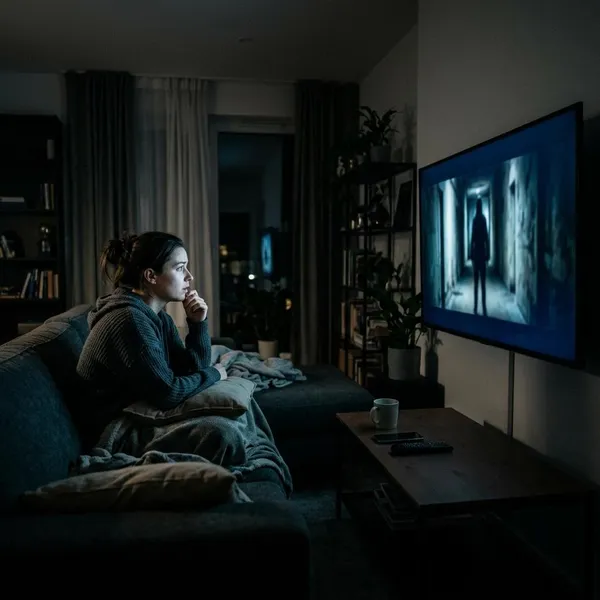
Thrillers are scary when they press on the kind of fear you personally respond to: uncertainty, realistic danger, trapped settings, violent consequences, or psychological pressure. If you want a safer choice, start with action, mystery, legal, or political thrillers and check warnings before darker subgenres; if you want a stronger scare, psychological, survival, and horror thrillers are the ones most likely to deliver it.