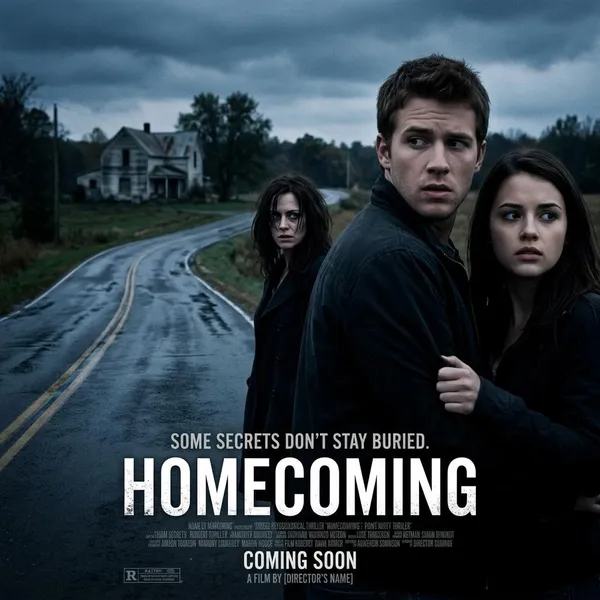
If you are choosing between action and thriller movies, the quickest test is to ask what the film is trying to make you feel most: a rush of adrenaline or a knot of suspense. Action usually puts physical conflict and spectacle first, while thrillers rely more on danger, uncertainty, and pressure. The difference between action and thriller movies is not whether one has violence and the other does not; it is what drives the experience.
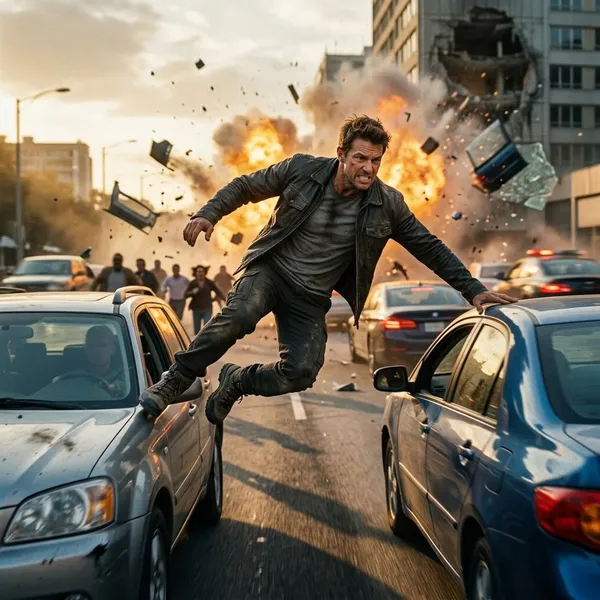
The main difference between action and thriller movies
Action movies are built around visible confrontation. Thriller movies are built around tension that has not fully paid off yet. Both can include chases, weapons, villains, and high stakes, but they use those ingredients differently.
- Action: the story moves through fights, escapes, rescues, missions, and physical obstacles.
- Thriller: the story moves through suspicion, hidden information, danger, pressure, and difficult choices.
- Action thriller: the movie needs both physical momentum and suspense to work.
If you want a film for a loud, energetic movie night, action is usually the safer pick. If you want something that keeps you guessing even during quiet scenes, a thriller is probably closer to the mood you want.
Action focuses on physical conflict
In an action movie, conflict is usually something the characters can fight, chase, escape, destroy, or physically survive. The threat is often clear: a criminal crew, an enemy force, a bomb, a collapsing building, or a villain who must be stopped.
Thrillers focus on danger and uncertainty
A thriller may also have violence, but the real pressure often comes from not knowing enough. Who is lying? What is the real motive? Is the person helping the protagonist actually dangerous? That uncertainty keeps the viewer alert.
This is useful when comparing two similar setups. A person being hunted by assassins could be in an action movie if the focus is on shootouts and escapes. The same setup becomes more thriller-like if the main question is why they are being hunted and who set them up.
Action builds excitement through spectacle
Action often gives the audience visible payoff: a chase through traffic, a fight on a train, a rescue under fire, or a final showdown in a dangerous location. The pleasure is immediate because the scene itself delivers the impact.
Thrillers build tension through anticipation
Thrillers often make the wait more intense than the event. A quiet hallway, a strange phone call, a locked room, or a character noticing one wrong detail can create more anxiety than a full fight scene.
- Action asks: can the hero survive this?
- Thriller asks: what is really happening, and when will it go wrong?
Action thrillers combine both approaches
Action thrillers work when the movie needs both speed and suspense. Die Hard has gunfights and explosions, but it also traps the hero in a tense situation where information, timing, and pressure matter. The Fugitive mixes pursuit with investigation, so the physical chase and the unanswered questions support each other.
What defines an action movie
An action movie is defined by direct physical danger and active response. The hero is pushed into motion again and again: fight, run, drive, rescue, escape, attack, improvise. Even when the plot is simple, that simplicity can help the movie keep its rhythm.
Frequent fights and chases
Frequent fights and chases are one of the clearest signs of action because they are not just decoration. They often move the plot forward. A chase reveals the hero's skill, raises the stakes, or pushes the story into the next confrontation.
A good action film still needs breathing room. If every scene is loud, the bigger moments stop feeling big. But if the movie keeps returning to combat, pursuit, and escape as its main language, the action label fits.
Skilled and active heroes
Action heroes tend to make decisions quickly. They may be trained professionals, unusually tough survivors, or ordinary people forced into extreme danger, but they usually become active rather than passive.
- Soldier, spy, driver, bodyguard: the appeal often comes from watching expertise under pressure.
- Ordinary person in danger: the appeal comes from seeing someone adapt fast enough to survive.
Clear physical threats
Action threats are usually easy to understand on sight. Someone is attacking, something is about to explode, a place must be escaped, or a villain must be stopped. That clarity lets the film move quickly without pausing for long explanations.
Fast problem solving
Action characters rarely get the luxury of thinking for ten minutes. They solve problems with whatever is nearby: a vehicle, a weapon, a narrow exit, a risky jump, or a split-second plan. The solution is usually something the audience can see happen.
Spectacle-driven climaxes
An action climax usually feels like the biggest physical test in the movie. The final battle, rescue, chase, or escape is designed as a release of all the energy the film has built.

What defines a thriller movie
A thriller is defined by pressure. The danger may be physical, psychological, criminal, political, or personal, but the film keeps the viewer tense by controlling information. You are often waiting for a reveal, a mistake, a betrayal, or a threat that has not fully shown itself yet.
Thrillers are a better fit when you want a movie that keeps working on your nerves after the scene changes. A quiet thriller can feel more intense than a loud action film if every small detail seems dangerous.
Suspense and rising pressure
Suspense is the heart of a thriller. The story keeps adding reasons to worry: a missing person, a suspicious message, a deadline, a pattern nobody else sees, or a character who knows more than they admit.
The key is escalation. Each new detail should make the situation feel tighter, not just more complicated.
Vulnerable or uncertain protagonists
Thriller protagonists are often capable, but they are not fully in control. They may lack information, be isolated from help, or have to decide whether another character can be trusted.
That vulnerability changes the viewing experience. In action, you may enjoy watching the hero dominate a dangerous space. In a thriller, you often worry because the space itself feels unstable: a home, office, train, hotel room, or police station can suddenly feel unsafe.
Hidden motives and shifting threats
Hidden motives are a classic thriller tool because they make the audience reassess what they have already seen. A friendly character may be using the protagonist. A victim may be hiding something. A simple crime may connect to a larger plan.
- Conspiracy thrillers: the danger grows as the hidden system becomes clearer.
- Crime thrillers: the pressure often comes from clues, pursuit, and the fear of being too late.
- Psychological thrillers: the threat may come from manipulation, obsession, or doubt.
Twists and difficult choices
Thrillers usually have more twists because the genre depends on changing what the viewer knows. A good twist does not just surprise you; it changes the meaning of earlier scenes.
Difficult choices also matter. A thriller may force a character to choose between safety and truth, one life and many lives, or trusting a dangerous person because there is no better option.
Tension-driven climaxes
A thriller climax often depends on timing, recognition, or revelation. The protagonist may finally understand the threat, expose the real villain, escape a trap, or make a choice before the pressure breaks.
There can still be a fight or chase at the end, but the emotional payoff comes from released tension more than sheer scale.
How to tell whether a movie is action or thriller
When a movie sits between genres, ignore the marketing label for a moment and watch what the film keeps returning to. One shootout does not make a thriller an action movie. One tense conversation does not make an action movie a thriller.
Check what drives the plot
Action plots often move through missions, attacks, rescues, escapes, and confrontations. Thriller plots more often move through discoveries, secrets, suspicion, deadlines, and danger that becomes clearer over time.
For example, a film about a kidnapped person could lean action if the main focus is the rescue mission. It could lean thriller if the real hook is who arranged the kidnapping, why it happened, and whether the rescuer is being manipulated.
Notice how problems are solved
Look at the solutions, not just the problems. If the hero wins mostly through fighting, driving, shooting, climbing, or overpowering obstacles, the film is action-led. If the hero wins by noticing patterns, exposing lies, surviving uncertainty, or making a risky strategic choice, it leans thriller.
Identify the main source of tension
In action, tension often comes from whether the hero can physically survive or complete the mission. In thrillers, tension often comes from unanswered questions: who is behind this, what is being hidden, and when the danger will finally appear.
- Visible obstacle: usually points toward action.
- Unclear motive: usually points toward thriller.
- Both at once: often points toward action thriller.
Look at how danger is revealed
Action tends to show the danger openly. You know the enemy, the mission, or the disaster fairly early, so the excitement comes from the response. Thrillers often delay or complicate the danger, so the audience keeps searching for the real shape of the threat.
Decide which feeling dominates
The final feeling is often the most honest test. If you remember the movie mainly for speed, impact, and big set pieces, call it action. If you remember unease, twists, suspicion, and pressure, call it a thriller.
If both feelings are equally important, action thriller is not a compromise label; it is probably the most accurate one.
Conclusion
Action is usually the better pick when you want movement, direct conflict, and a big physical payoff; thriller is the better pick when you want suspense, uncertainty, and a story that keeps you watching for clues. If a movie gives you both a strong physical rush and a steady sense of danger, it probably belongs in the action thriller middle ground. The easiest habit is to check what drives the story and what feeling stays with you after the credits.