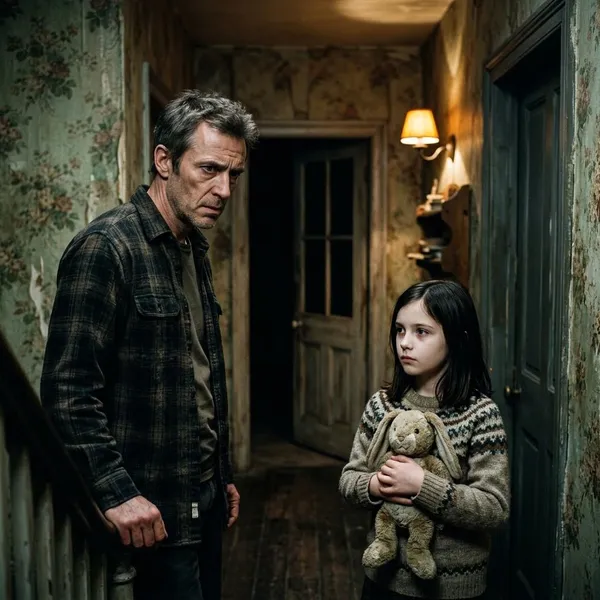
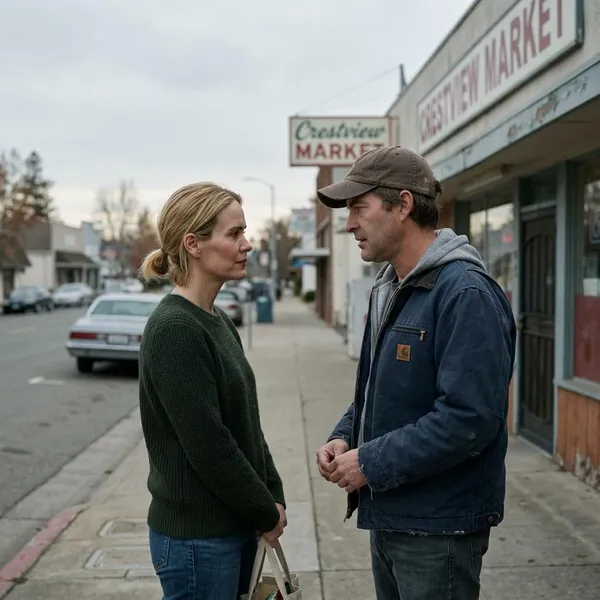
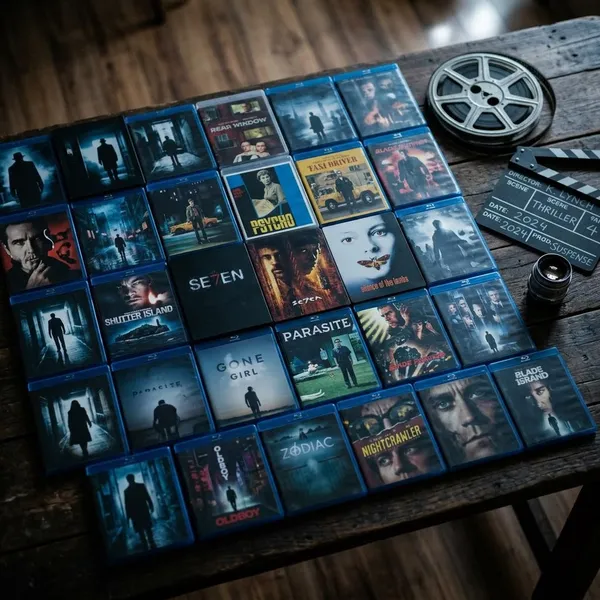
The difference between thriller and suspense movies is mostly about how the tension reaches you: thrillers push you forward with active danger, while suspense makes you wait, worry, and anticipate what might happen. If the film feels like a race, it probably leans thriller; if it feels like a slow tightening of nerves, it probably leans suspense.
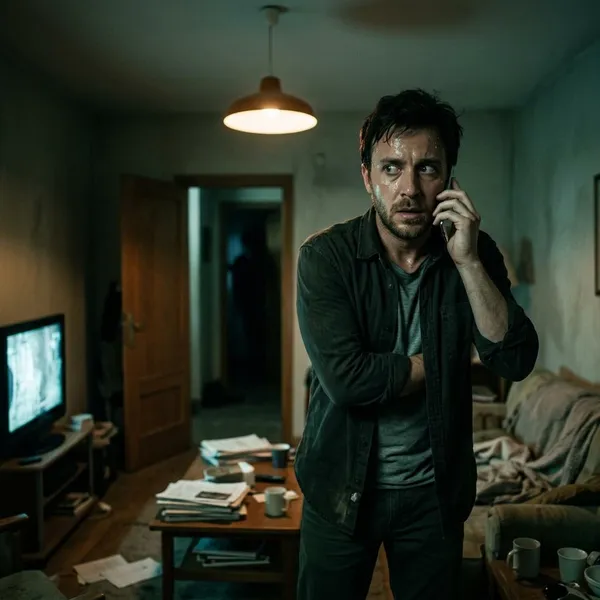
How thriller movies create tension
Thriller movies usually create tension by putting danger into motion early. Someone is being chased, framed, hunted, trapped, blackmailed, or forced to solve a problem before it gets worse. The viewer does not have to wait long to understand the pressure.
Chases and direct confrontations
Chases, fights, interrogations, escapes, and standoffs are classic thriller tools because they make danger visible. In films like The Fugitive or The Bourne Identity, tension comes from watching a character respond to pressure in real time, not from wondering for half the movie whether danger exists.
Ticking clocks and urgent goals
A ticking clock gives a thriller its pulse. The goal may be stopping an attack, reaching evidence before it disappears, saving a hostage, or escaping before the villain closes in. The exact deadline does not always need to be literal; it just needs to make delay feel dangerous.
- Clear objective: stop, escape, rescue, expose, or survive.
- Visible pressure: every setback makes the situation worse.
- Fast payoff: scenes tend to answer one problem while creating the next.
Sudden reversals and betrayals
Thrillers also rely on sharp turns. A trusted ally lies, a plan fails, the villain is closer than expected, or new evidence changes the whole situation. These reversals keep the viewer from relaxing because even a temporary win can become another trap.
High stakes and visible threats
The stakes in a thriller are usually easy to describe: life, freedom, family, public safety, reputation, or justice. Just as important, the threat is often visible enough that the audience can point to it. A killer is moving, a conspiracy is expanding, a weapon is missing, or a character is already in danger.
That visible threat is a practical clue when you are trying to label a film. If the movie keeps showing what is at risk and who is pushing the danger forward, thriller is probably the stronger label.
Fast pacing and frequent conflict
Fast pacing does not mean every scene has explosions or fights. It means scenes tend to have a job: reveal a threat, force a choice, create a setback, or move the character closer to confrontation. Even quiet scenes in a thriller often feel like they are loading the next problem.
If you want something energetic after a long day, a thriller is usually the safer pick than a slow-burn suspense film. The trade-off is that thrillers may give you less time to sit with dread because they are more focused on forward drive.
How suspense movies create tension
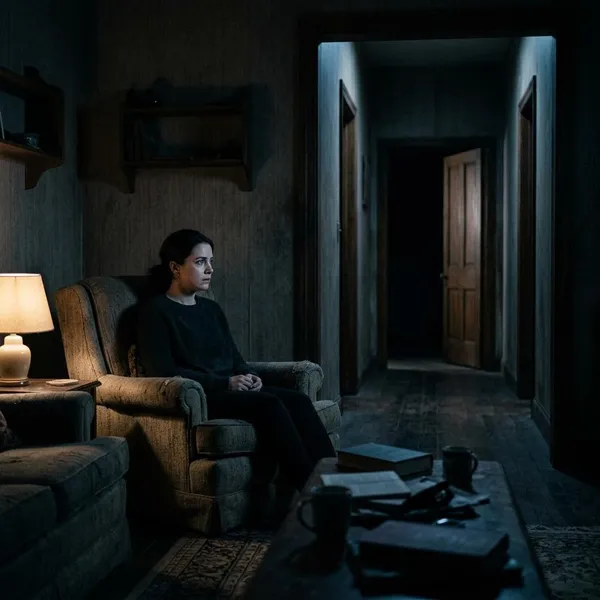
Suspense movies build tension by withholding certainty. They make you notice pauses, gaps, strange behavior, missing information, and the possibility that something is about to go wrong. The danger may be real, but the movie often delays showing it clearly.
Delayed answers and uncertain outcomes
Suspense thrives when the movie refuses to answer too quickly. You may not know who is telling the truth, what happened in the past, whether a character is safe, or whether a threat is real or imagined. That delay gives your mind room to fill in frightening possibilities.
This style is especially effective when you are watching alone or in a quieter mood. A suspense film can feel less "busy" than a thriller, but more mentally sticky because you keep thinking about what has not been revealed yet.
Hidden threats and limited information
In suspense, the threat may be partly hidden: a sound upstairs, a neighbor acting strangely, a locked room, a person who seems too helpful, or a detail that does not fit. The movie controls information carefully so the viewer feels off balance.
- If you know less than the character, you search for clues with them.
- If you know more than the character, you wait anxiously for them to notice the danger.
- If nobody knows enough, uncertainty becomes the main source of fear.
Long pauses and quiet scenes
A suspense scene can make a hallway, a phone call, or a closed door feel threatening. The pause before the action matters as much as the action itself. Silence gives the viewer time to anticipate a shock, a discovery, or a mistake.
Vulnerable characters in danger
Suspense becomes stronger when the character cannot easily fight back. They may be isolated, doubted, grieving, physically limited, watched, or trapped without proof. The tension comes from the mismatch between the danger and the character's ability to respond.
That is why a quiet domestic suspense film can feel intense without many action scenes. If a character suspects something is wrong but nobody believes them, every small choice carries weight: speak up, stay silent, investigate, leave, or wait.
Dramatic irony and audience anticipation
Dramatic irony happens when viewers know something a character does not. If you see someone hide in the house before the character comes home, an ordinary scene becomes tense because you are waiting for the discovery. The fear lives in the gap between what the audience knows and what the character understands.
Alfred Hitchcock's famous "bomb under the table" idea explains this well: a sudden explosion is surprise, but knowing the bomb is there while people keep talking creates suspense. The event matters, but the waiting is the real pressure.
Thriller and suspense movies compared
The easiest comparison is this: thrillers create tension through momentum, while suspense creates tension through anticipation. Both can be frightening, exciting, and emotional, but they ask for a different kind of attention from the viewer.
| What to look at | Thriller usually does this | Suspense usually does this |
|---|---|---|
| Pacing | Moves quickly from problem to problem | Slows down to stretch uncertainty |
| Danger | Shows the threat becoming active | Hints at danger before revealing it fully |
| Viewer reaction | Urgency, adrenaline, forward pull | Dread, caution, nervous waiting |
| Best fit | Fast-paced viewing or group watching | Atmospheric viewing or slow-burn tension |
Thrillers rely more on momentum
Thrillers keep asking, "What happens next, and can the character keep up?" The story often moves through pursuit, discovery, setback, and confrontation. Even when there is a mystery, the movie usually keeps pressure on the character to do something now.
Suspense relies more on anticipation
Suspense asks, "What are we afraid will happen, and when will it finally happen?" The plot may move more slowly, but the emotional pressure can be just as strong because the viewer is constantly bracing for a reveal, attack, betrayal, or mistake.
Thrillers show danger unfolding
Thrillers often show danger as an active chain of events. The villain acts, the hero reacts, the stakes rise, and the situation escalates. The main question is often not "Is something wrong?" but "Can this be stopped in time?"
Suspense makes viewers fear what may happen
Suspense does not always need the danger to arrive quickly. It can make the possibility of danger feel unbearable. A strange look, a delayed answer, or an unexplained sound can matter because the movie has trained you to expect that something is being hidden.
Thrillers often offer faster resolution
Thrillers usually move toward a more decisive payoff: a confrontation, escape, rescue, exposure, or final reversal. Suspense can end dramatically too, but its payoff may be more about realization than action.
That difference affects how the film feels after it ends. A thriller often gives you release after motion; suspense may leave you thinking about the clues, the atmosphere, or the meaning of what was finally revealed.
How to tell whether a movie is thriller or suspense
When a movie seems to fit both labels, do not start with the streaming category. Start with how the film creates tension. The most useful order is pacing first, then visibility of danger, then how much information the audience has.
Check how quickly the plot moves
If the movie keeps pushing from one major event to the next, it probably leans thriller. If it spends more time on atmosphere, suspicion, and delayed answers, suspense is probably doing more of the work.
Do not judge only by runtime. A two-hour thriller can still feel fast if every scene increases pressure, while a shorter suspense film can feel slow because it wants you to sit in uncertainty.
Identify whether the danger is visible
Visible danger points toward thriller. Hidden or partly understood danger points toward suspense. Ask yourself whether you can name the main threat early and describe what it is doing. If yes, the movie is likely using thriller mechanics.
Notice how much the audience knows
Audience knowledge is one of the clearest checks. Suspense often gives viewers carefully limited information, or gives them one crucial piece of information the character lacks. Thrillers may use secrets too, but they tend to focus more on reacting to danger as it unfolds.
- You know the killer is nearby: suspense increases while the character remains unaware.
- The killer attacks and the character runs: the scene shifts into thriller territory.
- You only know something feels wrong: suspense is probably carrying the tension.
Look at how often characters take action
Thriller characters usually push the story through action: they chase, investigate, escape, fight, expose, or make risky choices. Suspense characters may act too, but they are often slowed by doubt, isolation, fear, missing proof, or the sense that one wrong move could make everything worse.
Decide whether urgency or anticipation dominates
The final test is your own reaction. Urgency feels like leaning forward because events are moving fast. Anticipation feels like holding your breath because something might happen at any moment.
If adrenaline dominates, call it a thriller. If dread dominates, call it suspense. If both are strong, the film is probably a hybrid, and the label depends on which feeling shapes most of the viewing experience.
Conclusion
Thriller is the better label when the movie is driven by active danger, fast choices, and visible escalation; suspense is the better label when the movie makes you wait, doubt, and fear what has not fully happened yet. For a high-energy watch, pick a thriller; for a slower, more anxious mood, pick suspense. When a film uses both, look at what dominates your experience: the rush of urgency or the pressure of anticipation.