If you want disaster thriller movies that actually feel tense, start by choosing the kind of danger you are in the mood for: realistic survival, true-story endurance, fast spectacle, or end-of-the-world panic. Contagion, The Impossible, Twisters, Greenland, and The Wave are the easiest first picks because each gives you a different version of suspense without wasting time.
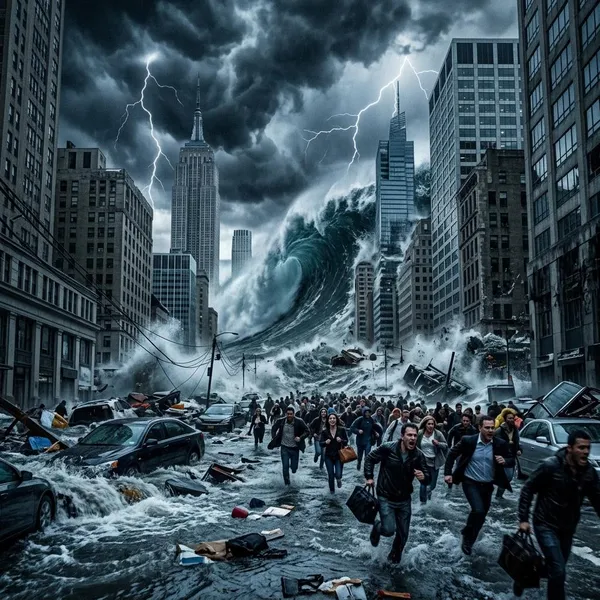
Best natural disaster thriller movies
Natural disaster thrillers work best when the threat is easy to understand before the chaos starts. Tornadoes, tsunamis, earthquakes, and volcanoes do not need much explanation, so the suspense can come from warning signs, bad timing, and people making decisions too late.
Twisters
Twisters is the best pick here when you want speed, storm-chasing energy, and big-screen weather danger without a punishing tone. It is serious enough to feel risky, but still polished and crowd-friendly, which makes it an easy choice for a casual group watch.
The Wave
For a tighter and more believable natural disaster thriller, The Wave is hard to beat. The Norwegian setting matters: the film lets you understand the village, the warning signs, and the narrow escape window before the tsunami hits.
The Quake
The Quake is a good follow-up to The Wave, especially if you like disaster stories where ignored risk becomes the real villain. The earthquake scenes are effective, but the stronger hook is watching a familiar city turn unsafe piece by piece.
San Andreas
San Andreas is not the film to choose for realism. It is the one to choose when you want collapsing buildings, rescue missions, family stakes, and nonstop escalation.
That makes it useful in a very specific mood: you want disaster as action entertainment. If shaky science bothers you, skip it; if you want large-scale destruction that is easy to follow, it delivers exactly that.
Dante's Peak
Dante's Peak still holds up because it understands buildup. The town dismisses the danger for just long enough to make the eruption feel frustratingly preventable, which is often where disaster suspense is strongest.
The volcano also creates different kinds of hazards instead of one repeated threat: ash, lava, fire, contaminated water, blocked roads, and bad decisions. That variety keeps the survival scenes tense.
Best true-story disaster thrillers
True-story disaster thrillers usually feel heavier because the audience knows the central event was real. The best ones avoid turning tragedy into empty spectacle and keep the focus on endurance, judgment, and the small choices that matter under extreme pressure.
The Impossible
The Impossible is the emotional survival pick. Based on a family's experience during the 2004 Indian Ocean tsunami, it shows the disaster as sudden, violent, and disorienting, then shifts into the harder part: injury, separation, and the search for loved ones.
Watch this when you want human stakes first. It is intense, but the emotion never feels decorative; the suspense comes from caring whether people can find each other again.
Deepwater Horizon
Deepwater Horizon turns an industrial disaster into a tight survival thriller. The early workplace routines and warning signs are important because they show how a catastrophe can build before anyone outside the system understands the danger.
Once the rig explodes, the film becomes claustrophobic: fire, smoke, metal, height, and limited escape routes all close in at once. It is a strong pick if you prefer man-made danger that feels physical and immediate.
Everest
Everest is slower and colder than many disaster thrillers, but that restraint is the point. The mountain is dangerous before the storm ever arrives because altitude, exhaustion, weather windows, and delayed decisions leave almost no room for error.
Society of the Snow
Society of the Snow is one of the most demanding survival films in this group. The crash is only the beginning; the real story is cold, hunger, grief, isolation, and the moral weight of staying alive when rescue is uncertain.
Only the Brave
Only the Brave approaches disaster through wildfire response, so the tension grows from training, teamwork, and trust. The film gives enough time to the firefighters as people that the later danger feels personal instead of merely dramatic.
Its strongest reminder is uncomfortable: preparation matters, but conditions can still overwhelm even experienced professionals. That makes it one of the more grounded true-story picks.
Best pandemic and man-made disaster thrillers
Pandemic and man-made disaster thrillers are unsettling because the danger often spreads through systems people normally trust: hospitals, high-rises, ships, trains, workplaces, power plants, and public information. The first thing to watch is not always the explosion or outbreak itself, but who ignores the warning signs.
Contagion
Contagion is the most obvious choice when realism is your priority. Its tension comes from ordinary contact, public confusion, strained institutions, and the speed at which fear can move alongside disease.
It is especially effective if you want a disaster thriller that feels close to daily life. A touched surface or crowded room becomes more frightening than a giant explosion because the film keeps the threat plausible.
The Towering Inferno
The Towering Inferno remains a classic because its setup is clean: a high-rise fire turns wealth, design, shortcuts, and celebration into a trap. The building keeps changing as stairwells, elevators, hallways, and windows become risks.
Choose it when you want contained disaster suspense. The stakes are not global, but the trapped-space tension makes the danger feel huge.
The Poseidon Adventure
The Poseidon Adventure has one of the simplest great premises in the genre: a ship turns upside down, and survivors have to move through the wreckage in the opposite direction from what feels natural. That single idea gives the whole film momentum.
Unstoppable
Unstoppable proves a disaster thriller does not need a city collapsing to feel urgent. A runaway train carrying hazardous cargo is enough because the problem is clear, the clock is visible, and every attempted fix has consequences.
This is a smart pick for viewers who want a lean, practical thriller. There is no mythic scale, just a mechanical crisis getting worse by the minute.
The China Syndrome
The China Syndrome is a slow-burn man-made disaster thriller where the fear comes from what might happen if people with power refuse to act. The nuclear risk is important, but secrecy, pressure, and denial are what sharpen the suspense.
If you like thrillers about systems failing quietly before they fail publicly, this is the strongest choice in this section.
Best large-scale disaster thrillers
Large-scale disaster thrillers work when they keep the human problem clear. A comet, climate event, or extinction-level threat can look impressive, but the suspense usually comes from smaller questions: who gets information, who gets shelter, who gets separated, and who still has time to act.
Go here when you want the biggest stakes. Just keep in mind that some of these are more realistic than others; several are best enjoyed as high-concept spectacle.
Greenland
Greenland is one of the best modern large-scale disaster thrillers because it keeps the focus narrow. The comet threat is enormous, but the movie is really about one family trying to move through panic, misinformation, separation, and shrinking options.
That makes it a better choice than many end-of-the-world films if you want practical suspense. The pressure comes from access, timing, transport, shelter, and who gets left out when systems start making brutal choices.
Deep Impact
Deep Impact takes a more emotional route through a planet-threatening event. Instead of only chasing explosions, it spends time on public response, political decisions, and the personal weight of knowing disaster may be unavoidable.
The Day After Tomorrow
The Day After Tomorrow is pure climate-disaster spectacle. Its science is heavily exaggerated, so it is not the right pick if you want plausibility, but it is very watchable when you want floods, storms, sudden freezing, and big visual escalation.
This works best as a comfort-disaster movie: dramatic, familiar, and easy to rewatch without needing to take every detail seriously.
Armageddon
Armageddon is loud, sentimental, and action-heavy, but it belongs here because the central race against an asteroid is built around extinction-level urgency. It is not subtle and it is not realistic; it is designed to make the stakes feel enormous.
Knowing
Knowing sits closer to mystery and science fiction than some of the other picks, but its disaster sequences and fatalistic mood give it a distinct place in the genre. The appeal is dread: the feeling that the pattern may already be set and escape may not be simple.
Which disaster thriller fits your mood
The quickest way to choose is to decide how heavy you want the experience to be. A weeknight watch with friends usually calls for momentum and spectacle; a quieter solo watch can handle something more realistic, emotional, or bleak.
The Impossible for emotional survival
Pick The Impossible when you want the disaster to hurt on a personal level. It is best for viewers who care more about family separation, injury, fear, and relief than about the size of the visual effects.
Contagion for realistic tension
Choose Contagion if the most frightening version of disaster is a believable one. It is a good fit when you want quiet dread, public uncertainty, and a crisis that spreads through everyday habits rather than one giant set piece.
Twisters for fast-paced spectacle
Go with Twisters for a more energetic movie night. It gives you clear danger, modern effects, storm-chasing excitement, and a tone that is easier to share with viewers who do not want something emotionally crushing.
Greenland for high-stakes suspense
Greenland is the right choice when you want global stakes but still need a personal anchor. It works because the family's immediate decisions feel as important as the comet itself.
The Wave for a tense international pick
The Wave is ideal if you want a serious natural disaster film outside the usual Hollywood rhythm. It is measured, tense, and practical, with suspense built around warning signs and a narrow chance to escape.
Conclusion
The best choice depends less on the size of the catastrophe and more on the kind of pressure you want to feel. Start with Twisters for easy spectacle, Contagion for realism, The Impossible for emotional survival, Greenland for urgent end-of-the-world tension, or The Wave when you want something grounded and international.