The safest family thriller movies are the ones that build tension through clues, adventure, chases, or fantasy danger instead of horror-style scares. For a mixed-age movie night, start with lighter mystery-adventures such as National Treasure, Enola Holmes, Zathura, or The Adventures of Tintin, then move up to stronger choices like The Goonies or Jurassic Park when your kids are ready for more intensity.
Best family thriller movies to watch
A good family thriller should make everyone lean forward without making younger viewers regret watching. The picks below work because the suspense has a clear shape: solve the clue, escape the trap, protect the friend, find the treasure, or survive the strange situation.
National Treasure
National Treasure is one of the easiest first choices because the danger is wrapped in puzzles, history, and treasure-hunt momentum. There are chases, stolen documents, secret clues, and rival hunters, but the tone stays playful rather than frightening.
It is a strong pick for tweens, history-curious kids, or families who want suspense that feels smart instead of scary. If your child enjoys escape rooms, riddles, or "follow the clue" stories, this is usually a safe place to begin.
Enola Holmes
Enola Holmes works well when you want mystery with personality. Enola is trying to find her missing mother while also avoiding people who want to control her future, so the suspense comes from secrets, pursuit, and figuring out who can be trusted.
The pace is lively, but it is not built around heavy fear. It suits tweens and teens who like detective stories, confident young characters, and a little social edge with their mystery.
Holes
Holes is less of a chase movie and more of a slow-burn mystery. Stanley is sent to a desert camp where boys are forced to dig holes, and the question of why they are digging becomes more important with every scene.
This is a good choice for families who like stories with emotional weight. The tension comes from unfairness, hidden motives, and past secrets rather than big action, so it can lead to better discussion afterward than a simple adventure film.
The Adventures of Tintin
The Adventures of Tintin is fast, bright, and packed with clues, escapes, villains, and treasure-hunt energy. Because it is animated and stylized, the danger often feels easier to handle than similar live-action scenes.
The Goonies
The Goonies has more edge than some parents remember: criminals, traps, shouting, peril, and a few scenes that may feel intense for younger kids. For older kids and tweens, though, that is part of why it still works.
The appeal is the kid-led adventure. The group is scared, messy, funny, and resourceful, which makes the suspense feel active rather than helpless. Save it for viewers who can handle chaos and a bit of old-school roughness.
Jurassic Park
Jurassic Park is best treated as a teen or older-kid option, not a gentle family adventure. The dinosaur danger is thrilling, but some scenes are sustained, loud, and genuinely frightening.
Zathura
Zathura is one of the better entry-level thrillers for kids because its scary moments are tied to an imaginative board-game adventure. The house is sent into space, new dangers appear, and the brothers have to work together to survive each turn.
Family thriller movies by age group
Age ratings are a starting point, but they do not tell you how a movie will feel in your living room. The better question is what kind of tension your child handles well: mystery, chase scenes, fantasy danger, creature attacks, unfair treatment, or emotional stress.
| Viewer | Best starting point | Be more careful with |
|---|---|---|
| Younger kids | Animated, fantasy, or puzzle-based suspense | Realistic danger, trapped characters, intense creatures |
| Tweens | Mysteries, treasure hunts, and adventure thrillers | Older classics with rougher tone or scarier villains |
| Teens | Stronger stakes, creature suspense, and complex plots | Graphic violence or thrillers that feel too adult in theme |
Lighter suspense for younger kids
Younger kids usually do best when suspense is broken up by humor, color, or a clear mission. Zathura and The Adventures of Tintin are useful examples because the danger feels adventurous, not bleak.
Mystery and adventure for tweens
Tweens often enjoy being invited into the puzzle. National Treasure, Enola Holmes, Holes, and The Goonies give them clues, suspects, secrets, maps, or motives to track.
Stronger thrills for teens
Teens are usually more ready for sustained tension, moral choices, and bigger consequences. Jurassic Park is the clearest step up here because the suspense is stronger and the creature danger feels more realistic.
That does not mean every teen wants the same level of intensity. A teen who loves suspenseful books may enjoy a bigger thriller, while a teen who avoids jumpy scenes may still prefer mystery-adventure. Matching the movie to temperament matters more than forcing a "grown-up" choice.
Family thrillers by type
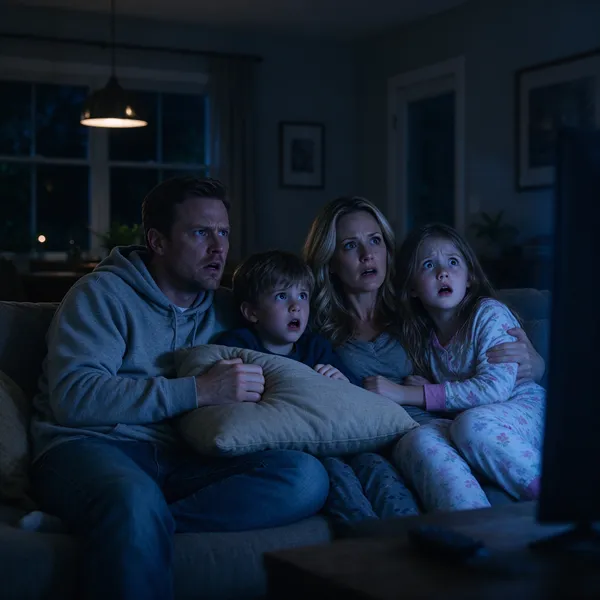
Subgenre matters because "thriller" can mean very different things. One child may be fine with secret codes but hate dinosaurs; another may enjoy space danger but get upset by realistic villains. Choosing by type helps you avoid the wrong kind of tension.
Mystery thrillers
Mystery thrillers are often the gentlest way into suspense because curiosity does most of the work. Enola Holmes and Holes keep viewers watching through questions: who is hiding something, what happened before, and which clue changes the story?
Adventure thrillers
Adventure thrillers are better when your family wants movement: escapes, missions, traps, travel, and teamwork. The Goonies and The Kid Who Would Be King fit here because the suspense pushes the characters forward instead of keeping them stuck in dread.
Treasure hunt thrillers
Treasure hunt thrillers turn danger into a game of discovery. Maps, codes, old secrets, rival seekers, and hidden rooms give the story a clear path, which is why National Treasure, The Adventures of Tintin, and The Goonies work so well for shared viewing.
Sci-fi thrillers
Sci-fi thrillers range from playful to intense. Zathura uses space danger in a manageable, imaginative way, while Jurassic Park uses science and creatures for much stronger suspense.
If your child gets anxious about real-world danger, sci-fi can sometimes feel safer because it is removed from everyday life. The exception is creature suspense: dinosaurs, monsters, or aliens can still feel very real once the sound and pacing kick in.
Fantasy thrillers
Fantasy thrillers use magic, prophecy, ancient evil, or hidden worlds to raise the stakes. The Kid Who Would Be King is a good example because it gives kids danger with a heroic frame: courage, loyalty, and teamwork matter as much as survival.
This type is often a better fit than realistic suspense for children who want excitement but still need emotional distance from the threat.
How to choose a family-friendly thriller
The first thing to check is not the genre label; it is the source of the tension. A movie built around clues and teamwork will usually feel very different from one built around fear, injury, or characters being trapped.
Check the level of violence
Look at how violence is shown, not just whether it exists. Stylized sword fights, falls, and chase scenes may be fine for many families, while realistic injuries or lingering harm can make a movie feel much heavier.
Also notice who is in danger. A scene involving kids, pets, or a beloved character can feel more upsetting than a bigger action scene involving strangers.
Consider how scary the danger feels
Suspense is not only about what happens; it is about how the movie presents it. Loud sound design, dark spaces, trapped characters, and long build-ups can make a non-horror film feel scary.
Look for themes your child can handle
Some family thrillers are not very violent but still carry heavier themes. Holes, for example, deals with unfair punishment and emotional hardship, which may affect a sensitive child more than a chase scene would.
If your child tends to dwell on sad or unfair situations, check the emotional themes as carefully as the action. For another child, those same themes may make the movie more meaningful and memorable.
Match the tension to their age
For younger kids, choose short bursts of suspense with clear safety. For tweens, add mystery, secrets, and stronger villains. For teens, bigger stakes can work if the content still fits your household's comfort level.
A simple progression might look like this: start with Zathura or Tintin, move to National Treasure or Enola Holmes, then save Jurassic Park for viewers who are ready for creature danger and longer tense scenes.
Check content details before watching
A two-minute parent content check can prevent a bad movie-night surprise. Look for notes on frightening scenes, language, violence, bullying, emotional themes, and whether the movie has one standout intense moment.
Conclusion
The best choice is the movie that gives your family suspense they can enjoy, not just endure. If you are unsure, start with clue-based or adventure-led options before moving into stronger creature danger or darker themes; a slightly too-light thriller usually makes for a better night than one that pushes past everyone's comfort zone.