If you want a useful route into famous thriller movie directors, start with the kind of tension you enjoy: classic suspense, dark psychology, puzzle-box storytelling, realistic crime, slow-burn dread, or international thrillers with sharper social or emotional bite. Hitchcock is the safest foundation, Fincher is the modern psychological pick, Nolan suits viewers who like structure, and Bong or Park are better when Hollywood thrillers start to feel too familiar.
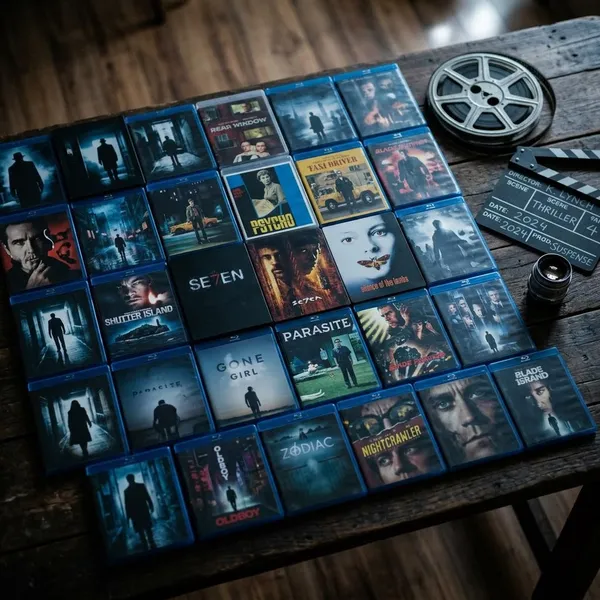
Most famous thriller movie directors
The directors below are famous for different reasons, so it helps not to treat them as one long ranking. A Hitchcock thriller and a Michael Mann crime film may both create suspense, but they ask for different moods from the viewer. Before choosing a film, think about three things first: how dark you want the story to be, how much complexity you enjoy, and whether you prefer realistic pressure or stylized tension.
Alfred Hitchcock for classic suspense
Alfred Hitchcock is still the first name to know because he made suspense feel clean, deliberate, and almost mechanical in the best way. He could turn a glance, a staircase, a window, or a piece of hidden information into the main source of fear.
Start with him if you want the roots of the genre without needing modern violence or constant twists. Rear Window, Vertigo, and Psycho show why the "Master of Suspense" label has lasted so long.
David Fincher for psychological thrillers
Fincher is the strongest modern choice when you want a thriller that feels cold, precise, and mentally corrosive. His best films are not just about catching a killer or solving a case; they are about obsession, control, deception, and the damage people hide under ordinary surfaces.
- Se7en if you want bleak crime suspense.
- Zodiac if you prefer procedural obsession.
- Gone Girl if manipulation and public image interest you more than police work.
Christopher Nolan for puzzle thrillers
Nolan is the pick for viewers who like to work while watching. His thrillers often turn memory, time, identity, or perspective into the engine of suspense, so the tension comes from trying to understand the rules before the story closes in.
Memento is the cleanest starting point because its structure is not decorative. The backward movement makes the viewer share the main character's uncertainty, which is exactly why it still feels sharp rather than gimmicky.
Brian De Palma for visual tension
Brian De Palma is essential if you care about how suspense looks and sounds, not only what happens next. Split screens, surveillance, long takes, and bold camera movement are part of the drama in his films.
His work is not always subtle, and that is part of the appeal. If you want restrained realism, he may not be your first stop; if you want heightened tension where the camera itself feels dangerous, Blow Out is a strong place to begin.
Denis Villeneuve for slow burn suspense
Villeneuve builds pressure slowly, often through silence, space, weather, and moral uncertainty. His thrillers are best when you are in the mood for dread rather than quick shocks.
For a quiet night when you want something heavy and immersive, Prisoners or Sicario works well. For a casual group watch where people want fast reveals, his pacing may feel too severe.
Michael Mann for crime thrillers
Mann's thrillers are built around professionals: thieves, detectives, hitmen, investigators, and people who know their work too well to live normally. The suspense often comes from preparation, surveillance, timing, and one small mistake in a high-pressure system.
Heat is the obvious entry point because it shows both sides of his appeal: disciplined crime procedure and lonely, emotionally sealed-off characters. Choose Mann when you want crime to feel physical, urban, and earned.
Bong Joon Ho for social thrillers
Bong Joon Ho is famous because his thrillers do more than deliver suspense. They also expose class pressure, institutional failure, social awkwardness, and the strange ways people behave when systems fail them.
Memories of Murder is the best thriller-focused starting point, while Parasite is the broader cultural touchstone. Bong is a good choice if you want a film that can be funny, tense, sad, and brutal without feeling like four separate movies.
Best thriller directors by style
Style matters more than fame when you are choosing what to watch tonight. A viewer who wants a clever mystery may bounce off a slow-burn thriller, while someone who wants grounded crime may find a revenge melodrama too extreme. Use the director's style as a shortcut before you commit to a film.
| What you want from the thriller | Best director match | Good first step |
|---|---|---|
| Clean suspense and controlled information | Hitchcock or Clouzot | Rear Window or The Wages of Fear |
| Dark psychology and obsession | Fincher or De Palma | Se7en or Blow Out |
| Realistic crime pressure | Mann or Scorsese | Heat or Cape Fear |
| Complex mysteries and uncertainty | Nolan or Villeneuve | Memento or Prisoners |
| International thrillers with stronger shocks or social bite | Bong or Park | Memories of Murder or Oldboy |
Best movies to start with
A good starter film should show the director's style clearly without asking you to already be a fan. The safest mistake to avoid is starting with the most "important" title if it is also the least approachable for your mood. For a first watch, choose the film that gives you the director's signature in the most readable form.
Rear Window by Alfred Hitchcock
Rear Window is probably the best Hitchcock entry point because the setup is instantly understandable: a man stuck at home watches his neighbors and suspects a murder. The suspense grows from looking, waiting, and wondering whether curiosity has crossed into danger.
It is a better beginner choice than Vertigo if you want a cleaner story, and less shocking than Psycho if you are easing into older thrillers.
Se7en by David Fincher
Se7en gives you Fincher's style in a severe but very direct form: a grim investigation, controlled visuals, moral decay, and a city that feels rotten from the inside. It is not a light recommendation, so do not choose it for a relaxed comfort watch.
If its darkness works for you, move next to Zodiac for slower obsession or Gone Girl for social manipulation and psychological games.
Memento by Christopher Nolan
Memento is the right Nolan starter because the puzzle is also the emotional experience. The reverse chronology makes the viewer feel the instability of memory rather than simply admire a clever trick.
Choose it when you want an active watch. If you are tired or half-watching, it will lose much of its force.
Blow Out by Brian De Palma
Blow Out is the De Palma film to try first because it balances style with real emotional weight. A sound technician accidentally records evidence linked to a political crime, and the thriller grows from sound, surveillance, paranoia, and missed chances.
It is especially rewarding for viewers who notice craft. The suspense is not only in the plot; it is in what the camera and soundtrack allow you to catch too late.
Prisoners by Denis Villeneuve
Prisoners is Villeneuve's most accessible thriller entry because the missing-child premise is clear immediately, but the film becomes more morally uncomfortable as it goes. It asks how far fear can push decent people before certainty disappears.
Watch it when you want a heavy, serious thriller. Skip it for the moment if you need something brisk, playful, or emotionally easy.
Heat by Michael Mann
Heat is the obvious Mann starting point because it shows his fascination with experts on both sides of the law. The film cares about planning, routes, discipline, timing, and the cost of living only through work.
It is a strong choice for someone who likes crime stories with scale but still wants the details to feel grounded. The action matters, but the preparation is what makes the pressure believable.
Memories of Murder by Bong Joon Ho
Memories of Murder is the best Bong thriller entry because it blends investigation, dark comedy, frustration, and social criticism without losing suspense. The case matters, but so does the failure of the people and systems trying to solve it.
If you already know Parasite, this film shows Bong in a more procedural mode while keeping his talent for sudden tonal shifts.
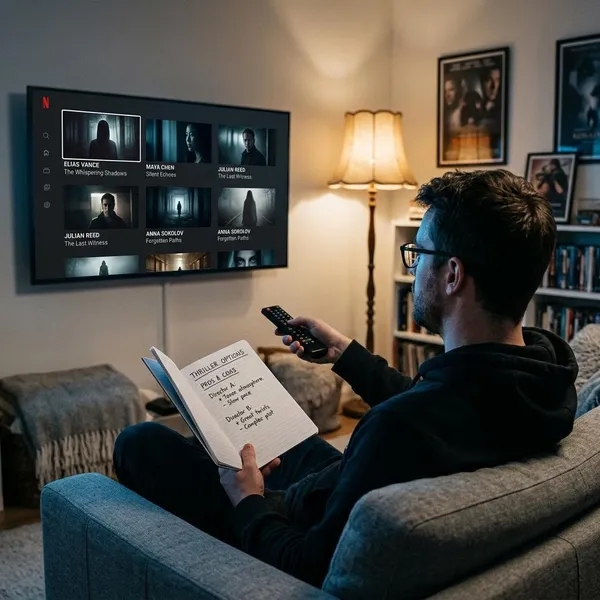
How to choose the right thriller director
The most useful first check is your tolerance for tone. Some thrillers are tense but approachable; others are bleak, violent, slow, or emotionally draining. After that, decide whether you want suspense to come from situation, psychology, structure, crime procedure, or social pressure.
Choose Hitchcock for pure suspense
Choose Hitchcock when you want suspense that is clear, elegant, and built from timing rather than brutality. He is the best first stop for someone trying to understand why thrillers work at all.
Choose Fincher for dark psychology
Fincher is best when you want unease that feels controlled and intelligent. His films suit viewers who enjoy obsession, manipulation, and moral discomfort, but they are not always ideal when you want a lighter mystery night.
Choose Nolan for layered stories
Nolan is the right choice if a thriller feels more fun when you have to assemble it. His films reward attention to timelines, rules, memory, and perspective, so choose him when you can actually focus.
Choose Villeneuve for slow tension
Villeneuve works best when you are willing to sit with dread. His films often move slowly on purpose, so the payoff comes from accumulated pressure rather than constant plot turns.
Choose Mann for realistic crime
Mann is the choice for viewers who like criminals and investigators to feel skilled, disciplined, and believable. His thrillers are especially satisfying when process matters to you as much as the final confrontation.
Choose Bong for social commentary
Choose Bong if you want suspense with a wider point. His thrillers often ask what class, institutions, and social pressure do to people, but they still work as gripping stories rather than lectures.
Choose Park for intense revenge stories
Park is the boldest choice when you want revenge, obsession, and emotional shock pushed to extremes. He is not the safest recommendation for every viewer, but he is unforgettable when you are in the mood for something fierce.
Conclusion
The best way into thriller cinema is not to chase every famous name at once, but to match the director to the kind of tension you actually enjoy. Start with Hitchcock for the foundation, Fincher for dark psychology, Nolan for puzzles, Villeneuve for dread, Mann for crime realism, Bong for social pressure, or Park when you want something more extreme. One well-chosen first film will tell you more than a long ranking ever could.