If you mean the frozen thriller movie, you are looking for Adam Green's 2010 survival thriller, not the Disney musical. It follows three friends trapped overnight on a ski chairlift after a resort closes, and its appeal is very simple: cold, height, injury, panic, and no easy rescue. It is worth watching if you like contained, physically tense thrillers, but it is a rough choice if realistic pain or animal danger bothers you.
What is the Frozen thriller movie about?
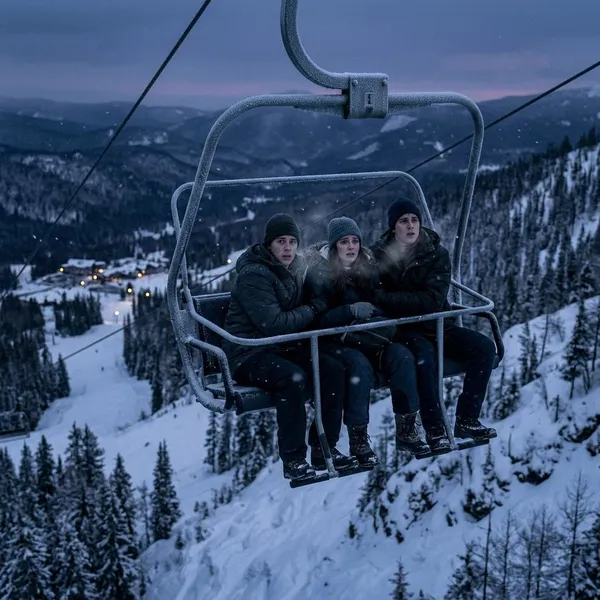
Frozen is about Dan, Parker, and Joe getting stranded on a ski lift after one last ride goes wrong. The setup is almost annoyingly ordinary, which is why it works: no monster, no secret conspiracy, just a small mistake that leaves three people exposed to a situation their bodies cannot handle for long.
Three friends take one last chairlift ride
Dan, Parker, and Joe are on a ski trip at Mt. Holliston. Dan and Parker are dating, Joe is Dan's close friend, and the group dynamic already has a little tension before the real danger begins. Near closing time, they talk their way onto the lift for one final run.
That last-ride decision is important because it feels like something a normal person might do on vacation. For a casual viewer, it is a quick setup. For anyone who has ever pushed a closing time, ignored a small warning, or assumed staff would catch a problem, it feels uncomfortably plausible.
A shutdown leaves them stranded
A communication mistake among the resort staff leaves the lift stopped while the three are still suspended above the slope. At first, they expect the delay to be temporary. They shout, wait, and look for signs that someone has noticed.
The mood changes when the lights go out and the mountain empties. The problem is no longer inconvenience; it is exposure. They are too high to step down, too far from help to be heard, and possibly stuck until the resort reopens days later.
Cold and panic limit their options
The cold matters as much as the height. As the night drags on, their hands stiffen, their thinking gets worse, and the simplest movements become painful. Panic does not arrive as one dramatic breakdown; it slowly turns conversations into blame, bargaining, and bad timing.
- Waiting feels safest at first, but exposure keeps getting worse.
- Jumping offers speed, but the landing could be devastating.
- Climbing sounds logical, until numb hands and icy metal become part of the plan.
Frozenplot summary
The plot is lean, but the escalation is what makes it memorable. Each new decision removes another safe option, until the characters are choosing between pain now and death later.
The chairlift mistake
Dan, Parker, and Joe convince the lift operator to let them ride despite the late hour. A staff handoff goes wrong, the operator leaves, and the lift is shut down with the three still in the air.
The scene does not rely on a huge coincidence so much as a chain of small, careless assumptions. One person thinks the line is clear. Another assumes the closing process is complete. The friends assume someone will come back. The tension starts in that gap between routine and disaster.
The first escape attempt
Dan decides they cannot simply sit and freeze. His jump is meant to get help, but the impact badly injures him and immediately changes the stakes for Parker and Joe.
It is one of the film's key scenes because it breaks the viewer's usual thriller instinct. In many movies, decisive action means progress. Here, acting first does not mean acting well; it means discovering how unforgiving the fall really is.
The fight against cold and wolves
After Dan's attempt, the lift feels even more impossible. Parker and Joe still need a way down, but now the ground itself looks dangerous. The wolves below add a cruel extra threat without turning the film into creature horror.
- The cold weakens their grip and judgment.
- The height makes every move feel irreversible.
- The wolves make reaching the snow only part of the problem.
The final chance to survive
Parker becomes the focus near the end. By then, she has watched confidence fail, waiting fail, and physical strength run out. Her survival depends less on heroics than on forcing herself to move before she loses the ability to do anything at all.
The final stretch stays grim rather than triumphant. Getting off the lift does not magically solve the danger; she still has to cross the snow, manage shock, and reach people before her body gives out.
Frozenending explained
The ending is bleak and spoiler-heavy: Parker survives, while Dan and Joe die. What makes the ending land is that the film does not treat survival as a reward for being the bravest or the most deserving. It shows how timing, physical limits, fear, and luck can matter more than intention.
Why Dan's plan fails
Dan's plan fails because the jump is too high and too uncontrolled to be a reliable escape. His thinking is understandable: staying on the lift could kill them. The mistake is believing that a desperate plan becomes safer just because doing nothing feels unbearable.
The scene also sets the movie's harsh rule. Good motives do not protect the body from impact, cold, or helplessness. Dan tries to save the group, but the environment does not care why he jumped.
What happens to Joe
Joe avoids Dan's mistake, but he is left with a different impossible option: climbing. By the time he acts, the cold has already damaged his strength, grip, and stamina.
His fate is especially grim because it comes after effort, not surrender. He keeps trying, but the film makes a blunt point: determination helps only if the body can still carry out the plan.
How Parker escapes
Parker survives by moving in the narrow window between panic and total collapse. She is not rescued by a convenient stranger or saved by a clever trick. She gets down because she endures long enough to take the least impossible option left.
Her escape still feels fragile. If you are watching for a clean victory, the ending may feel unsatisfying. If you like survival stories that leave damage behind, her final moments fit the film's colder logic.
What the ending means
The ending suggests that Frozen is not really about heroism. It is about how quickly ordinary confidence breaks when people are trapped in a place where every decision is physically dangerous.
Dan acts too soon, Joe acts when he is already badly weakened, and Parker survives through timing, restraint, and luck. The film does not offer a comforting lesson beyond that, which is part of why it stays with people after the credits.
Why Frozen feels so tense
Frozen feels tense because it keeps the danger visible and simple. The viewer can see the height, the empty slope, the freezing air, and the lack of help. There is very little mystery to solve; the suspense comes from watching three people run out of good choices.
One isolated location
The chairlift works like an outdoor prison. The characters are surrounded by open space, but none of that space is reachable without risking death or serious injury.
This single location also keeps the film from drifting. There are no side plots to soften the tension, and the mountain's emptiness becomes part of the threat. The quiet is not peaceful; it means nobody is coming.
Realistic physical danger
The scares are built around injuries, freezing skin, numb fingers, exhaustion, and falls. That makes the movie more stressful than flashy. A viewer who is fine with ghosts but hates realistic body damage may find Frozen surprisingly difficult.
Limited rescue options
The lack of rescue is the cruelest part of the premise. The resort is closed, the staff believe the mountain is clear, and the time until anyone returns may be longer than the characters can survive outside.
Fear-driven decisions
Fear changes how the characters think. Dan wants action, Joe tries to reason through worse and worse choices, and Parker becomes more cautious as the reality sinks in. None of them respond perfectly, which is exactly why the situation feels human.
- If you watch with friends, expect debate about who made the "right" call.
- If you are sensitive to heights, the quiet moments may bother you more than the loud ones.
- If you prefer clever survival solutions, the movie may feel punishing because it rarely gives one.
Where to watch Frozen
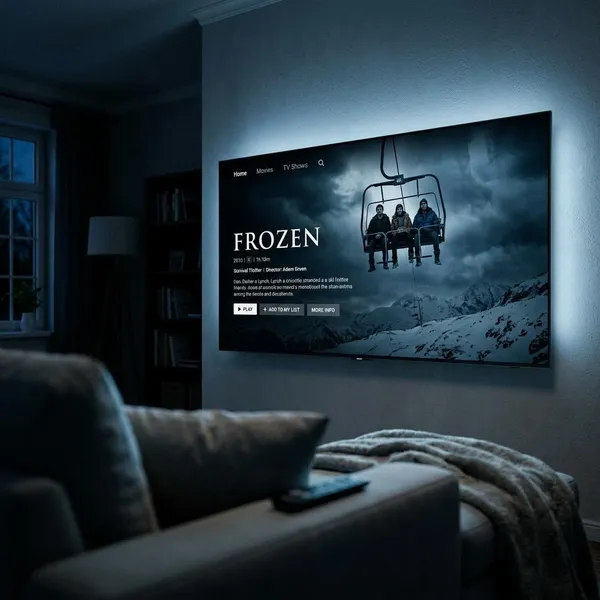
Finding Frozen can be slightly annoying because the title is dominated by Disney's film in search results. Check the year first: you want Frozen from 2010, directed by Adam Green, with Emma Bell, Shawn Ashmore, and Kevin Zegers in the main cast.
Subscription streaming
Frozen may appear on subscription platforms, but availability changes by country and licensing window. Search for Frozen (2010) rather than just Frozen, then confirm the poster and cast before pressing play.
This is the best option if it is already included in a service you use. It is also the least dependable option if you are planning a specific movie night, because catalog rights can change without much warning.
Digital rental
Digital rental is usually the most practical route if you just want to watch the film once. Check common rental storefronts such as Amazon Prime Video, Apple TV, or the main digital movie store in your region.
Rental makes sense for curious viewers, especially if you are not sure you want to revisit such a bleak film. Before paying, confirm the 2010 release year and the cast so you do not accidentally rent the wrong Frozen.
Digital purchase
Buying a digital copy is only worth it if you know you like contained survival thrillers or want to rewatch the film later. For most first-time viewers, rental is the safer choice.
Regional availability
Availability can vary sharply by country. A movie may be rentable in one region, included with a subscription in another, and missing entirely from a third.
- Search inside your actual account, not only through general web results.
- Use "Frozen 2010" to avoid Disney-heavy results.
- Compare rental and purchase listings if subscription search fails.
- Check the cast names before paying.
Conclusion
Frozen is a lean, nasty survival thriller that works because it refuses to make the situation bigger than it needs to be. Watch it if you want grounded tension, a simple plot, and a bleak ending that follows the logic of cold, height, and panic. Skip it for a relaxed movie night or if realistic injury, freezing exposure, or animal threat is the kind of stress you would rather avoid.