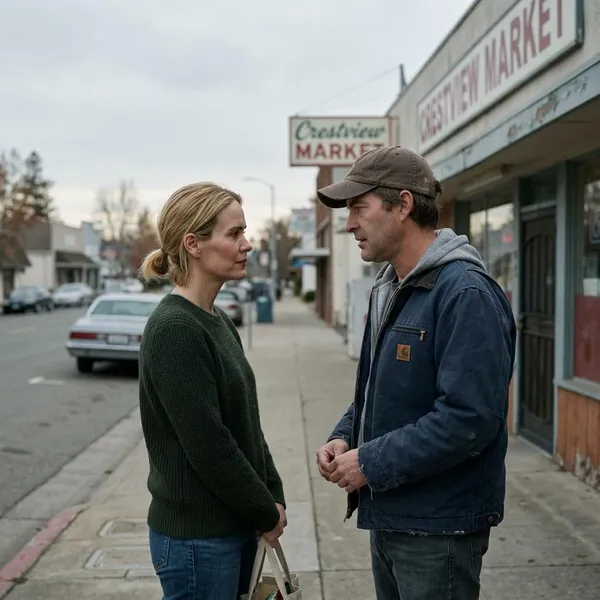
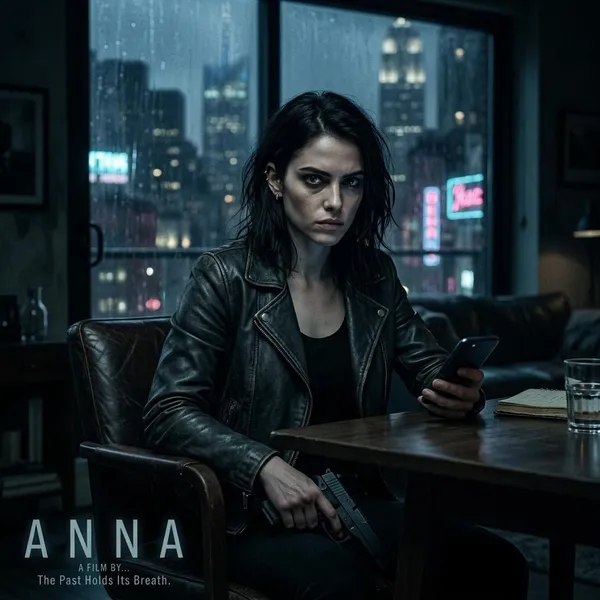
If you searched for the gone thriller movie, the quick answer is this: Gone is a 2012 missing-person thriller led by Amanda Seyfried, and it works best if you want a fast, straightforward suspense story rather than a complicated mystery. The plot follows Jill Conway, a past kidnapping survivor who believes her sister Molly has been taken by the same man who once abducted her.
What is Gone about?
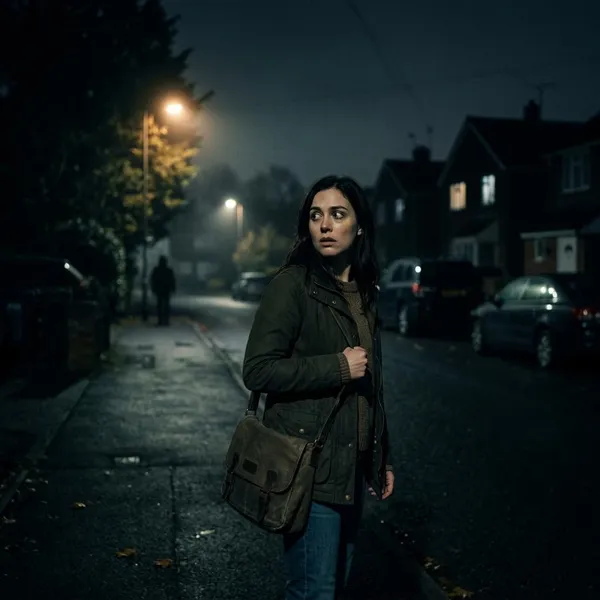
Gone is built around one urgent question: is Jill reacting to real danger, or is everyone around her right to doubt her? A year before the main story, Jill says she was kidnapped and held in a pit in the woods. Because the police never found enough evidence to prove her account, her past hangs over everything that happens next.
When Molly disappears, Jill does not treat it as a normal missing-person situation. She reads the signs through what she survived before, and the movie quickly becomes a race between her instincts and the police response. The ending confirms that Jill's fear is not imaginary, so the payoff is less about a huge twist and more about watching her prove what no one wanted to believe.
- Watch for pace if you want a tense rescue story that moves quickly.
- Do not expect a puzzle mystery with many suspects and layered clues.
- Expect spoilers in ending discussions because the film depends on whether Jill is right.
Molly disappears
Molly's disappearance starts the whole plot. Jill comes home from work, notices that her sister is missing, and immediately feels that the scene is wrong. The movie does not spend long building a normal morning routine; it wants the viewer to feel Jill's panic almost as soon as she does.
This works because Molly is not just "the missing girl" in a case file. She is Jill's sister, so every delay feels personal. If you are watching after reading the plot, this is the moment to notice how quickly the film chooses urgency over slow character setup.
Jill suspects her kidnapper
Jill believes the same man who kidnapped her before has come back for Molly. To the police, that sounds like trauma turning into certainty without enough proof. To Jill, the pattern is too familiar to ignore.
That tension is the movie's strongest idea. A survivor is not only trying to save someone; she is also trying to get people to accept that her original attack was real. The film does not explore that theme as deeply as a prestige drama might, but it gives the thriller a sharper emotional reason to keep moving.
The police doubt Jill
The police doubt Jill because her earlier kidnapping was never fully verified. Detective Powers and the other officers are not written as cartoon villains; they want evidence before treating Molly's disappearance as a repeat abduction. That makes the conflict more believable, even when their hesitation is frustrating.
- From Jill's side: waiting could cost Molly her life.
- From the police side: acting on an unproven theory could send the investigation in the wrong direction.
- For the viewer: the pressure comes from knowing that official caution may be too slow.
Jill searches alone
Once Jill realizes she cannot rely on the police moving at her speed, she follows leads herself. That choice gives Gone its simple, forward-driving shape: Jill questions people, revisits places tied to her trauma, and keeps pushing toward the man she believes took Molly.
The downside is that the supporting world can feel thin. Many characters exist mainly to delay Jill, redirect her, or make the audience suspicious for a scene. If you are in the mood for a lean "one woman against the clock" thriller, that focus helps. If you want a richer ensemble mystery, it may feel too narrow.
Who is in Gone?
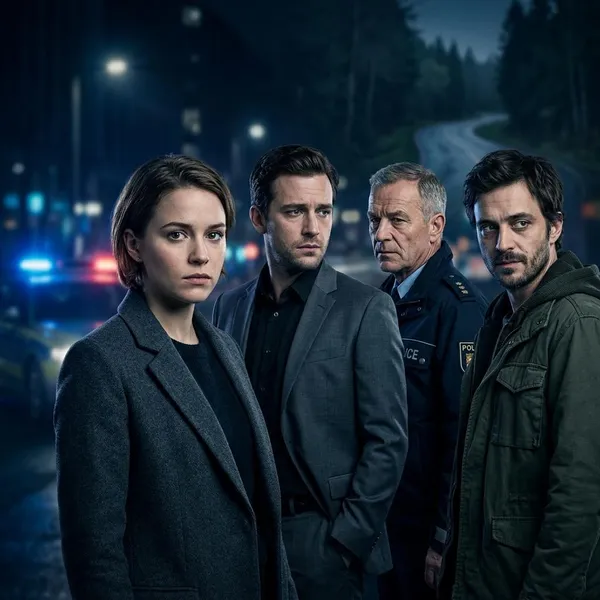
The Gone cast is led by Amanda Seyfried, and the film depends heavily on her. The supporting actors add pressure around Jill, but this is not an ensemble thriller where every character gets a full arc. Most roles are there to create doubt, concern, suspicion, or another obstacle in Jill's search.
If you are choosing whether to watch mainly for the cast, keep expectations realistic: Seyfried is the main draw, while names like Jennifer Carpenter, Wes Bentley, and Sebastian Stan appear in more limited supporting parts.
Amanda Seyfried as Jill
Amanda Seyfried plays Jill Conway, and she gives the movie most of its emotional weight. Jill has to seem scared, exhausted, angry, and still clear-headed enough for the audience to stay with her. Seyfried handles that balance well; she does not make Jill feel like a slick action hero, but like someone pushing through panic because nobody else is moving fast enough.
Her performance also makes the central doubt more interesting. You can see why the police question Jill, but you can also see why she cannot afford to wait for them to catch up.
Emily Wickersham as Molly
Emily Wickersham plays Molly Conway, Jill's younger sister. Molly has limited screen time, so viewers looking for a deeply developed sister relationship may find the setup a little thin. Still, her disappearance gives the plot its personal stakes: Jill is not solving an abstract case, she is trying to save the one person who matters most in that moment.
Daniel Sunjata as Powers
Daniel Sunjata plays Detective Powers, one of the officers who doubts Jill's version of events. His calm, procedural presence is useful because it keeps the police side from feeling completely unreasonable. Powers is frustrating because his caution makes sense on paper, while the movie keeps reminding us that Jill may be right.
Jennifer Carpenter as Sharon
Jennifer Carpenter plays Sharon Ames, and she brings a sharper edge to the authority figures around Jill. Her scenes add to the feeling that Jill is being managed and judged instead of truly heard.
For viewers who know Carpenter from more intense roles, her presence may be a small bonus, though the script does not give Sharon enough space to become one of the film's standout characters.
Wes Bentley as Peter Hood
Wes Bentley appears as Peter Hood, a character who adds to the film's uneasy atmosphere. His role is not the emotional center of the story, but Bentley's guarded screen presence fits a thriller where Jill cannot easily decide who is harmless and who might matter.
Sebastian Stan as Billy
Sebastian Stan plays Billy, a smaller supporting role rather than a major force in the plot. If you are watching mainly because of Stan, it is worth knowing that Gone is not built around him. His character helps fill out Jill's everyday world, but the movie stays firmly focused on Jill's search.
Is Gone worth watching?
Gone is worth watching if you want a short, tense thriller that gets to the point. It is not the best choice if you want a twist-heavy mystery, deep character work, or a crime story with many moving pieces. The safest expectation is "solid late-night suspense," not "underrated masterpiece."
Two viewing situations make the choice clearer. If you want something easy to follow on a weeknight, the film's directness is a plus. If you are planning a serious thriller night and want something as layered as Prisoners or Zodiac, Gone will probably feel too simple.
Fast-paced mystery
The movie moves quickly from Molly's disappearance into Jill's search, and that pace is one of its biggest strengths. It rarely stops for long detours, which helps cover some of the script's thinner spots.
This makes it a good pick for casual suspense viewing. You do not need to track several timelines or a large suspect board; the film gives you one urgent goal and keeps pushing toward it.
Strong lead performance
Amanda Seyfried is the clearest reason to watch. She gives Jill enough nervous intensity to make the story feel more grounded than it might have with a weaker lead.
- Best for: viewers who like survivor-led thrillers.
- Less ideal for: viewers who need a large cast of equally developed characters.
Simple suspense plot
The plot is easy to follow: Molly disappears, Jill connects it to her own abduction, the police hesitate, and Jill investigates alone. That simplicity keeps the movie accessible, but it also makes the ending fairly direct.
If you are looking up the ending before watching, the important thing to know is that Gone does not save everything for a shocking final reversal. The resolution mainly confirms that Jill's instincts were right.
Limited character depth
The main weakness is that most characters outside Jill are lightly sketched. They serve the thriller mechanics more than they develop into memorable people with their own emotional weight.
That may not matter if you just want a fast missing-person story. It matters more if you prefer thrillers where side characters have layered motives, complicated relationships, and scenes that stay with you after the plot is over.
Conclusion
Gone is best treated as a lean suspense watch: Amanda Seyfried carries it, the pace helps, and the ending gives clear closure rather than a major twist. Choose it when you want a tense, simple rescue thriller; skip it if you need a deeper mystery or richer character drama.