If you are trying to identify the hide and seek thriller movie with Robert De Niro and Dakota Fanning, you are looking for the 2005 psychological thriller about a widowed father, his daughter Emily, and her disturbing "imaginary friend" Charlie. The plot starts like a grief drama, but it turns into a twist-driven story where the real threat is much closer than David wants to believe.
What happens in Hide and Seek
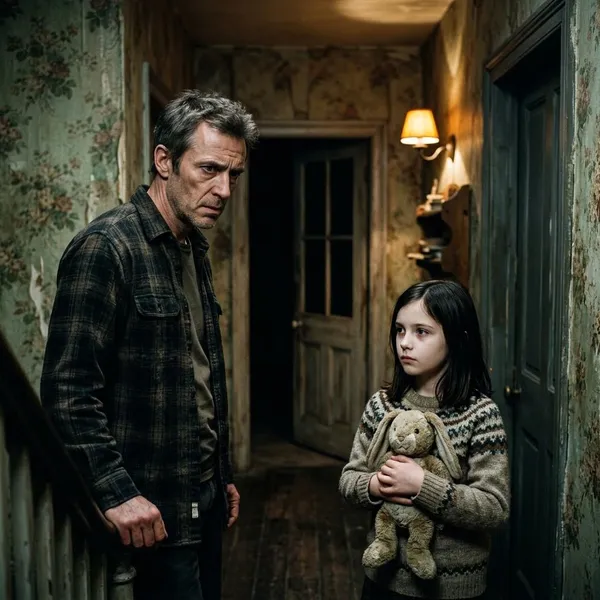
Hide and Seek follows David Callaway after his wife's death as he moves his daughter Emily away from New York and into a remote house. If you have not seen the movie yet and want to avoid spoilers, the important non-spoiler version is simple: Emily's imaginary friend Charlie becomes the center of a violent mystery, and the ending changes how nearly every earlier scene should be read.
David moves away after his wife dies
David leaves the city after Alison's death because he believes a quieter place will help Emily recover. On paper, that decision makes sense: a new home, fewer reminders, and a slower pace could give a grieving child room to breathe.
The problem is that the move also cuts them off from normal support. For a viewer watching casually, the house may just look like a classic thriller setting. For someone paying attention to the emotional logic, it is the first warning sign: David is trying to control grief by isolating it.
Emily creates an imaginary friend called Charlie
Emily soon begins talking about Charlie, and David initially treats him as a coping mechanism. That is believable enough at first, especially because children under stress may retreat into private worlds.
What makes Charlie unsettling is Emily's tone. She does not speak about him like a fun playmate; she seems guarded, tense, and sometimes afraid. That difference matters because it tells the viewer not to dismiss Charlie as a harmless childhood invention.
Charlie becomes violent and threatening
Charlie's presence turns darker when disturbing things happen in the house, including threatening messages and violence toward the family pet. At that point, the movie stops asking only, "Is Emily imagining this?" and starts asking, "Who is able to do these things without being seen?"
- Charlie's actions feel personal, not random.
- Emily seems frightened rather than playful.
- David keeps looking outward for an explanation.
David searches for the person behind the attacks
David tries to find a practical answer: an intruder, a troubled child, or someone outside the family who could be using Charlie's name. His search is convincing because he is a psychologist and a father, so the audience is encouraged to trust his reasoning.
The truth reveals a danger within the family
The twist is that Charlie is not a separate person. Charlie is David's alternate personality, and the danger Emily has been trying to describe is inside her own father.
This reveal reframes the whole movie. Emily did not invent a monster out of grief; she gave a name to the part of David she feared. Alison's death also becomes more disturbing, because the film's tragedy is no longer just loss, but hidden violence within the family.
Hide and Seek cast and characters
The cast is central to why the movie is still easy to remember. It is not a effects-heavy thriller; most of the tension depends on whether the audience believes David, worries for Emily, and senses that the adults around them are missing something important.
Robert De Niro as David Callaway
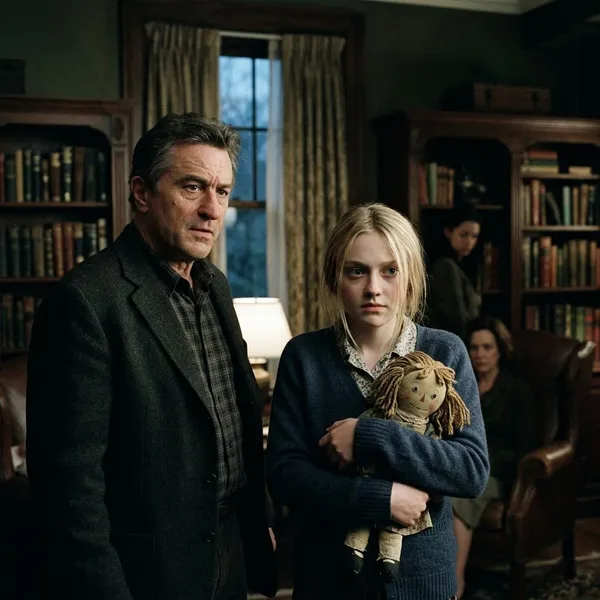
Robert De Niro plays David as controlled, intelligent, and quietly strained. That calm surface is important because the twist needs David to feel trustworthy before he becomes frightening.
The role works best when you view David in two layers: the grieving father who wants to protect Emily, and the fractured person who cannot face what he has done. De Niro keeps both possibilities alive long enough for the ending to land.
Dakota Fanning as Emily Callaway
Dakota Fanning gives Emily the film's emotional weight. She could have been written as a standard "creepy child," but her performance is more wounded than theatrical.
Famke Janssen as Katherine
Famke Janssen plays Katherine, an outside presence who suggests that David and Emily might still reconnect with ordinary life. Her warmth matters because it briefly gives the story a healthier path.
That also makes her threatening to Charlie. When someone gets too close to the family's closed-off world, the danger escalates, which helps expose the possessive logic behind the violence.
Elisabeth Shue as Elizabeth
Elisabeth Shue's Elizabeth helps show how David can appear to other adults: damaged, yes, but still responsible and believable. That outside view supports the movie's misdirection.
Her role is small, but it serves a useful purpose. If every character suspected David immediately, the mystery would collapse too early.
Amy Irving as Alison Callaway
Amy Irving plays Alison, whose death sets the entire story in motion. At first, Alison seems like tragic backstory, but the ending makes her much more important.
She represents the family wound that David tries to bury instead of confront. Once the twist is clear, Alison's absence feels less like a starting point and more like evidence the story has been circling all along.
Dylan Baker as Sheriff Hafferty
Dylan Baker's Sheriff Hafferty brings in the possibility of outside authority, but the film never lets that feel fully reassuring. The danger is not an obvious stranger who can be found with a simple investigation.
His presence is useful because it reminds viewers how hard this kind of threat is to detect from the outside. David looks like the person seeking help, not the person everyone should fear.
Why Hide and Seek works as a thriller
Hide and Seek works best for viewers who enjoy psychological misdirection more than constant action. Its strongest hook is not just "Who is Charlie?" but why Emily is afraid, why David keeps missing the truth, and why the house feels less safe the longer they stay there.
Grief creates the emotional tension
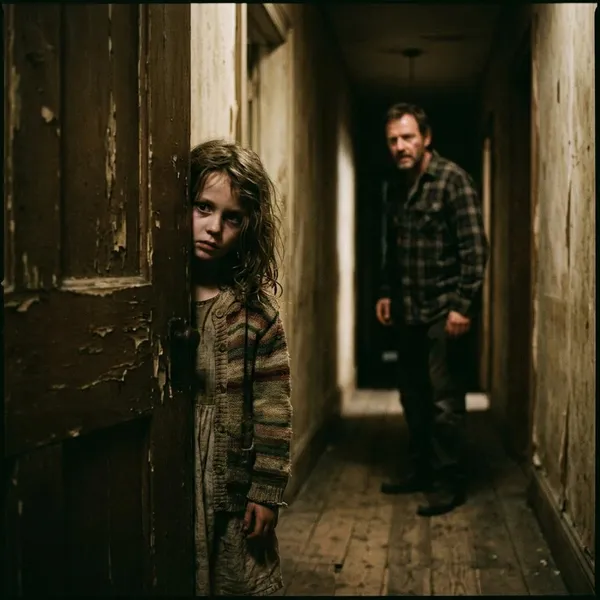
Grief gives the movie its cover story. Emily's silence, David's control, and the strange atmosphere can all be explained as trauma for a while, which keeps the viewer from jumping too quickly to the real answer.
Charlie drives the central mystery
Charlie is effective because he changes function as the movie goes on. He starts as an imaginary friend, becomes a possible outside threat, and finally becomes the name attached to David's split identity.
- At first, Charlie seems psychologically believable.
- Then his actions become too physical to ignore.
- By the ending, he explains the pattern of fear around David.
The isolated house builds unease
The remote house does more than provide a spooky backdrop. It removes easy exits, reduces witnesses, and gives David more control over Emily's environment.
David becomes an unreliable lead
David is unreliable because the movie lets the viewer stand close to his assumptions. He explains, investigates, and worries like the responsible adult in the room, but his perspective is incomplete.
The strongest clue is not one single shocking moment. It is the pattern: David keeps choosing explanations that protect his identity as the good father, even when the evidence becomes harder to fit.
Early clues support the final twist
The twist is supported by behavioral clues rather than loud hints. Emily's fear, Charlie's possessiveness, and David's blind spots all make more sense after the ending.
- Emily reacts as if Charlie is real because the threat is real to her.
- Charlie targets closeness and outside help, not random victims.
- David's calm explanations become suspicious in hindsight.
How to identify the correct Hide and Seek movie
Because several movies share the same title, the quickest way to confirm the right one is to check three things first: the year, the two lead actors, and the Charlie storyline. If you are scrolling through a streaming app, those details are more reliable than the title alone.

Look for the 2005 release year
The correct film is the 2005 release. This is the fastest filter if search results show several titles named Hide and Seek.
Check for Robert De Niro and Dakota Fanning
The lead pairing should be Robert De Niro and Dakota Fanning. If both names appear together, you are almost certainly looking at the right movie.
Match the father and daughter storyline
The story should involve a widowed father, his daughter, and a move to an isolated home after the mother's death. If the summary focuses on unrelated adults, a game, a home invasion, or a different family setup, it is probably not this version.
Look for the imaginary friend Charlie
Charlie is the clearest plot clue. The 2005 movie is the one where Emily's imaginary friend becomes tied to threats, violence, and the final psychological twist.
Confirm John Polson as the director
John Polson is the director of the 2005 film. This is a useful final check on movie databases, especially when the title, poster, or translated listing makes things unclear.
- Year: 2005.
- Leads: Robert De Niro and Dakota Fanning.
- Story clue: Emily's imaginary friend Charlie.
- Director: John Polson.
Conclusion
Hide and Seek is easiest to understand as a grief thriller that hides its real danger behind the person who seems most capable of explaining it. If you are choosing whether to watch it, expect a slow, moody psychological mystery rather than a fast horror film; if you are trying to identify it, remember the 2005 release, De Niro and Fanning, and the name Charlie.