If you want psychological thriller horror movies that actually linger, choose by the kind of fear you enjoy: criminal manipulation, social paranoia, grief, identity collapse, or full-on reality distortion. Start with the more accessible titles if you want tension without feeling lost, then move into the slower, stranger picks when you are ready for ambiguity.
Best psychological thriller horror movies for most viewers
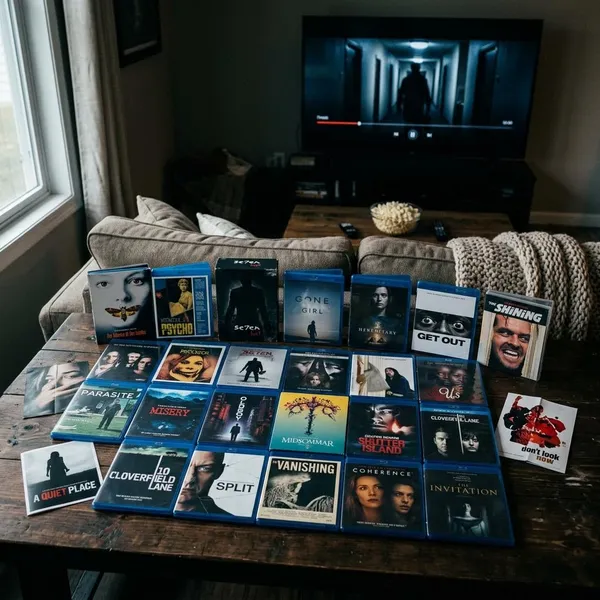
These are the safest starting points if you want strong suspense, clear stories, and emotional weight without jumping straight into the most abstract side of the genre. For a casual movie night, start here. For a darker solo watch, Hereditary and Black Swan hit harder.
The Silence of the Lambs for criminal mind games
The Silence of the Lambs is still one of the best entry points because the fear comes from intelligence, control, and verbal pressure. The scenes between Clarice Starling and Hannibal Lecter feel dangerous even when nobody is moving, because every question is also a test.
Pick this if you want a polished thriller with horror undertones rather than nonstop scares. It is tense, disturbing, and adult, but it is easier to follow than many more surreal psychological horror films.
Black Swan for obsession and identity
Black Swan turns perfectionism into body horror and identity panic. Nina's world becomes harder to trust as pressure, rivalry, and self-denial build around her, so the movie works especially well if you like horror that feels internal before it becomes visually intense.
- Best for: viewers who like stylish, high-pressure psychological breakdowns.
- Maybe skip tonight if: you want something calm, grounded, or easy to shake off afterward.
Get Out for social paranoia
Get Out is one of the easiest recommendations in the genre because its first layer of discomfort is so recognizable. Chris knows something feels wrong, but politeness, social pressure, and other people's reassurances keep pushing him to doubt himself.
That makes it a smart pick for viewers who do not usually watch horror. The story is clear, the pacing is tight, and the dread has a sharp social edge instead of relying only on dark hallways or sudden noise.
Hereditary for grief and supernatural dread
Hereditary is the roughest watch in this first group. It begins with family grief and resentment, then uses that emotional damage as the ground for something more openly terrifying.
Choose it when you want a serious, upsetting horror film rather than a fun suspense night. If you are watching with someone who dislikes heavy family trauma or intense dread, this is not the gentle starting point.
The Babadook for emotional horror
The Babadook is frightening because the monster feels tied to exhaustion, grief, anger, and the pressure of parenting while emotionally overwhelmed. It is a good choice if you prefer atmosphere and meaning over graphic violence.
For viewers who want less gore but still want a strong emotional punch, this is one of the better options. The fear is not just "what is in the house?" but "what happens when pain has nowhere healthy to go?"
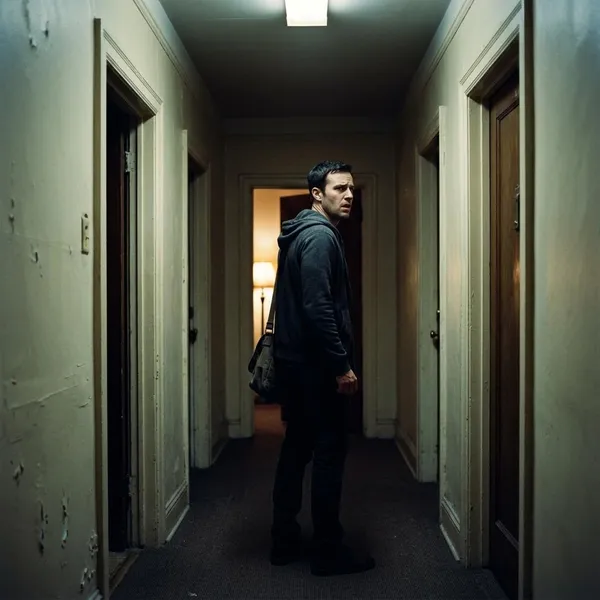
Best mind-bending and paranoia-driven movies
This second group is better when you are in the mood to question motives, memory, and reality itself. If you want a clean answer by the end, start with The Invitation or Unsane. If you enjoy sitting with uncertainty, save Cure, Goodnight Mommy, or Mulholland Drive for a night when you can pay attention.
Cure for hypnotic psychological tension
Cure is quiet, cold, and deeply unsettling. Its horror grows through suggestion and emotional blankness, not through big set pieces. Ordinary conversations begin to feel contaminated, which makes the film ideal for viewers who like patient dread.
This is not the best pick if you want fast pacing. It works by making you notice pauses, repeated behavior, and the strange emptiness around people who should feel more alarmed.
Mulholland Drive for dreamlike uncertainty
Mulholland Drive is less a tidy mystery than a nightmare about identity, desire, performance, and memory. The fear comes from never being fully sure what kind of reality you are standing in.
- Watch it for: mood, dream logic, and unsettling emotional shifts.
- Do not expect: a simple explanation handed to you in the final scene.
The Invitation for slow-building suspicion
The Invitation is a great slow-burn choice because its setup is so ordinary: a dinner party, old friends, awkward smiles, and a host who seems just a little too controlled. The tension comes from deciding whether Will is noticing danger or projecting his own pain onto the room.
Unsane for claustrophobic paranoia
Unsane turns the fear of not being believed into a trapped, institutional nightmare. The setting matters: once other people can define whether the main character is stable, every conversation becomes a fight over reality.
This works best for viewers who like direct, high-pressure thrillers. It is more claustrophobic than mysterious, so it can be easier to follow than the more abstract titles while still feeling mentally oppressive.
Goodnight Mommy for unsettling family mistrust
Goodnight Mommy makes home feel unsafe. The central fear is simple and nasty: what if the person who is supposed to be your mother is not really your mother at all?
The movie is slow, chilly, and uncomfortable rather than loud. Pick it when you want family mistrust and dread; avoid it if you are looking for warmth, humor, or quick relief between tense scenes.
What makes psychological thriller horror different
The quickest way to recognize this kind of movie is to ask where the fear starts. If the threat depends on doubt, obsession, manipulation, grief, unreliable memory, or a collapsing sense of reality, it belongs in psychological territory even when there is also a killer, cult, or supernatural force.
Fear grows from unstable thoughts and perceptions
In psychological horror, the scariest question is often not "what is attacking?" but "can this person trust what they are seeing?" A character may misread events, hide a truth from themselves, or slowly lose control of their own interpretation of the world.
Suspense matters more than frequent jump scares
Jump scares can appear, but they are not the main reason these movies work. A strained silence, a strange answer, or a polite smile held too long can be more effective because the viewer has time to imagine what might be underneath.
If you dislike horror that constantly startles you, this genre can be a better fit. The trade-off is that the tension may stay with you longer because it connects to ordinary fears: being watched, dismissed, manipulated, or wrong about someone you trusted.
Characters often question themselves and their surroundings
Self-doubt is a major part of the genre. Characters often sense danger before they can prove it, and the delay between instinct and action creates much of the dread.
Get Out and The Invitation are strong examples because both use social pressure as a trap. The main characters notice something is off, but acting too soon would make them look rude, unstable, or paranoid. That is a very human kind of fear.
The ending may change how the entire story feels
A strong ending in psychological horror does more than surprise you. It can make earlier scenes feel crueler, sadder, or more frightening once you understand what was really happening.
That is why twist-focused viewers often gravitate toward Goodnight Mommy, Get Out, The Invitation, and Mulholland Drive. The best endings do not just flip the plot; they change the emotional meaning of the movie.
Conclusion
For the easiest route in, start with Get Out, The Silence of the Lambs, or The Invitation; for something heavier, move to Hereditary, Cure, or Mulholland Drive. The best choice depends less on how "scary" a film is in general and more on what unsettles you personally: being manipulated, losing your identity, mistrusting family, or realizing too late that your instincts were right.