the housemaid thriller movie is best approached as a glossy domestic thriller, not a grounded crime drama or a horror film. The main appeal is the unstable power game inside the Winchester home: Millie needs the job, Nina is impossible to read, and Andrew seems reassuring just long enough to make you question that comfort.
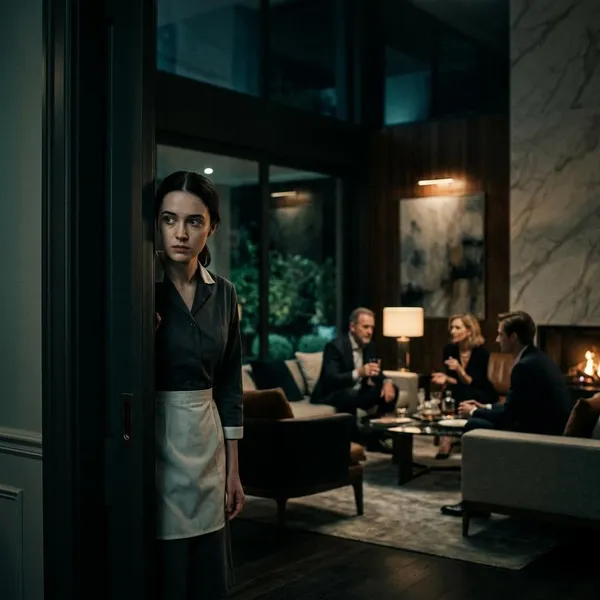
The Housemaid plot
The Housemaid follows Millie Calloway, a woman looking for a fresh start who accepts a live-in housekeeping job with the wealthy Winchester family. At first, the position looks like a lucky break: money, shelter, and a chance to reset. The problem is that the house quickly starts to feel less like a safe workplace and more like a controlled space where everyone is hiding something.
Millie needs a fresh start
Millie's situation gives the story its first layer of tension. She is not taking the job because the Winchester home looks glamorous; she takes it because she needs stability. That makes her choices easier to understand, even when the warning signs start adding up.
This is where the movie works best as a domestic thriller. A person with plenty of options can leave a strange household quickly. Millie cannot treat every red flag as a reason to walk away, because the job also means income, housing, and a way back into ordinary life.
Nina offers her a live-in job
Nina's offer sounds generous on paper, but the live-in arrangement is what turns the setup dangerous. Millie is not just clocking in and going home at night; she is sleeping inside the same environment that is making her uneasy.
- For Millie, the job solves an immediate problem but creates dependency.
- For Nina, the arrangement gives her constant access to Millie's time and emotions.
- For the viewer, the house becomes a pressure cooker instead of a normal workplace.
Andrew appears calm and supportive
Andrew's calmness is one of the plot's smartest early tools. Next to Nina's unpredictable behavior, he appears controlled, kind, and easier to trust. That contrast gives Millie someone to lean toward, but it also puts the viewer in a familiar thriller trap: mistaking composure for safety.
The movie uses Andrew less as an obvious threat and more as a question mark. Is he the reasonable person in a chaotic home, or is his steadiness part of the problem? That uncertainty keeps the central triangle from becoming too simple.
The Winchester home hides dangerous secrets
The Winchester house is not just a backdrop. Its polished rooms, private rules, and closed-off spaces make wealth feel protective from the outside and suffocating from the inside. Millie has access to intimate parts of the family's life, but she still has very little power inside it.
Shifting loyalties drive the suspense
The suspense depends on how often your sympathies move. Nina can seem cruel, then vulnerable. Andrew can seem safe, then too carefully composed. Millie can seem trapped, then more capable than others assume.
If you are watching with friends, this is the kind of movie that works well as a group-watch thriller because people may disagree about whom to trust at different points. For a quiet, serious drama night, the heightened twists may feel too pulpy. For a fast, "one more reveal" watch, that same quality is the hook.
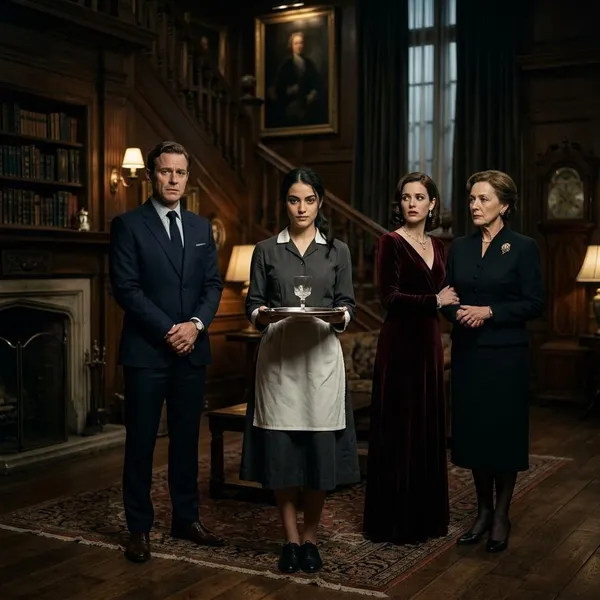
The Housemaid cast
The cast matters because The Housemaid depends more on shifting trust than on action. The actors need to make charm, discomfort, attraction, and suspicion believable without revealing too much too early. That is why the main trio is such a big part of the movie's appeal.
Sydney Sweeney as Millie Calloway
Sydney Sweeney plays Millie as the character who pulls the audience into the house. The role needs vulnerability, but not helplessness. Millie has to look pressured enough to stay, observant enough to notice danger, and resilient enough to make the twists feel active rather than random.
Her casting also helps the movie reach beyond readers of the book. Viewers who come in for Sweeney's star appeal still get a clear thriller protagonist: someone trying to rebuild her life while slowly realizing that the "good opportunity" may be a trap.
Amanda Seyfried as Nina Winchester
Amanda Seyfried has the flashiest role because Nina is the hardest character to pin down. She can seem glamorous, erratic, cruel, wounded, or calculating depending on the moment, and the movie needs all of those possibilities to stay alive.
If Nina were played too broadly, the movie would tip into cartoonish melodrama. If she were too restrained, the suspense would flatten. Seyfried's strength is making Nina entertaining without making her completely readable.
Brandon Sklenar as Andrew Winchester
Brandon Sklenar's Andrew is built around restraint. He does not need to dominate scenes with obvious menace; his role works because he seems like the reasonable alternative to Nina's chaos.
That makes him useful in a twist-driven story. The viewer keeps having to decide whether Andrew's calmness is genuine decency, social polish, or something more strategic. A less controlled performance would make that question too easy.
Michele Morrone as Enzo
Michele Morrone's Enzo adds another angle to the Winchester world. A domestic thriller can become repetitive if every scene stays locked inside the same marriage, so a supporting character like Enzo helps widen the emotional map.
His presence also fits the movie's glossy tone. Enzo brings glamour, tension, and the sense that people outside the main household may notice more than the Winchesters expect.
Elizabeth Perkins as Mrs Winchester
Elizabeth Perkins gives the family structure more weight. Mrs Winchester helps suggest that this household is not only shaped by one troubled couple, but also by reputation, old expectations, and the pressure to keep appearances intact.
That matters for Millie's outsider status. She is not just entering a rich house; she is entering a social system where money, family history, and silence can all work against her.
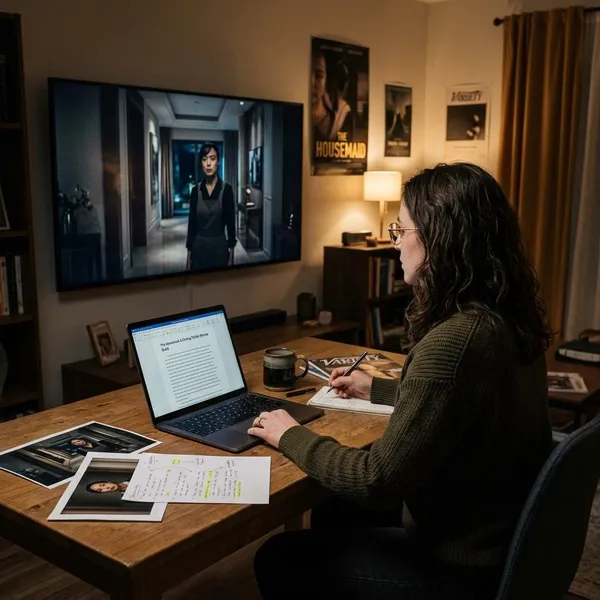
The Housemaid reviews
Reactions to The Housemaid make the most sense if you judge it as stylish pulp. The people most likely to enjoy it are viewers who want momentum, twists, and performances with a little theatrical bite. The people most likely to push back are viewers who want strict realism or subtle psychological drama.
Amanda Seyfried earns the strongest praise
Seyfried tends to be the performance people talk about first because Nina carries so much of the movie's uncertainty. She gives the story its sharpest mood swings and keeps the audience guessing about whether Nina should be feared, pitied, doubted, or believed.
Audiences enjoy the twists
Audience appeal is likely strongest among people who enjoy twist-heavy domestic suspense: the kind of viewer who wants a movie to move quickly, change the power dynamic often, and deliver a few "wait, what?" moments.
This is a good fit for a weekend thriller watch or a book-club-style comparison night. It is less ideal if you dislike heightened reveals or if you get frustrated when characters stay in situations that look obviously unsafe from the outside.
Critics appreciate the pulpy tone
The pulpy tone is not a flaw by itself; it is the point. The Housemaid leans into glossy surfaces, dramatic reversals, and the old thriller pleasure of discovering that a perfect home is anything but perfect.
That approach can be more fun than a version that tries too hard to look "prestige." The key is expectation. If you want tense entertainment with a knowing edge, the tone works in its favor. If you want realism above all else, it may feel over-styled.
Some viewers find the plot implausible
Some viewers may find the plot hard to believe, especially if they focus on whether every decision would hold up in real life. Domestic thrillers often rely on secrecy, delayed revelations, and emotionally extreme choices, and this one sits firmly in that tradition.
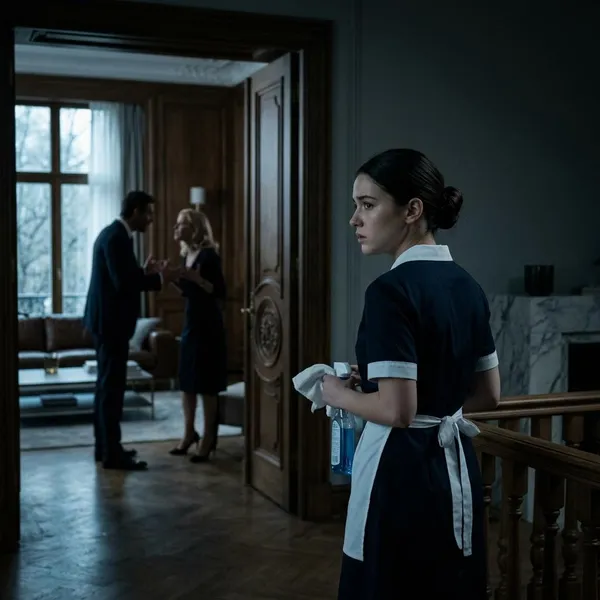
The Housemaid book adaptation
The Housemaid is based on Freida McFadden's popular thriller novel, which explains why the movie arrives with built-in curiosity. The book's appeal is its fast pace, accessible suspense, and major reversals, so the adaptation's biggest job is not just to copy events. It has to recreate that page-turning pull in a visual form.
For readers, the main question is usually whether the movie preserves the feeling of being trapped inside Millie's uncertainty. For newcomers, the better question is simpler: do you want the story first as a quick, glossy thriller or as a twisty novel with more room for internal tension?
Freida McFadden wrote the original novel
Freida McFadden's novel is the source of the story's core hook: a woman accepts a job in a wealthy home and slowly realizes the household is far more dangerous than it appears. The book became popular because it is easy to keep reading, not because it slows down for dense literary detail.
Rebecca Sonnenshine adapted the screenplay
Rebecca Sonnenshine's screenplay has to solve the usual book-to-film problem: novels can sit inside a character's mind, while movies have to show suspicion through behavior, framing, dialogue, and performance.
- What can be tightened: side details that slow the central tension.
- What must stay clear: Millie's vulnerability and the shifting trust between the main characters.
- What can change on screen: the emphasis on style, pacing, and visual unease.
That is why "different from the book" is not automatically a weakness. The real test is whether the adaptation keeps the same uneasy momentum.
The movie favors a glossy pulpy tone
The movie appears to favor a sleek, pulpy thriller style rather than stripped-down realism. That choice affects the performances, the house, the pacing, and the way danger feels seductive before it feels fully threatening.
If you are choosing between the book and the movie, use your own viewing style as the deciding point. Read first if you enjoy discovering twists through Millie's perspective and want more internal tension. Watch first if you prefer star-driven suspense and want the story in a faster, more visual form.
Doing both can be worthwhile, but for different reasons. Book readers can compare what was compressed or emphasized, while movie-first viewers may find the novel useful for extra context after the main surprises are already known.
Conclusion
The Housemaid is easiest to recommend to viewers who like glossy domestic thrillers with shifting trust, big secrets, and performances that lean into the drama. It is not the best pick if you need airtight realism, but it is a strong choice if you want a fast, twisty watch and understand that the pleasure is in the suspicion, not in perfect plausibility.